
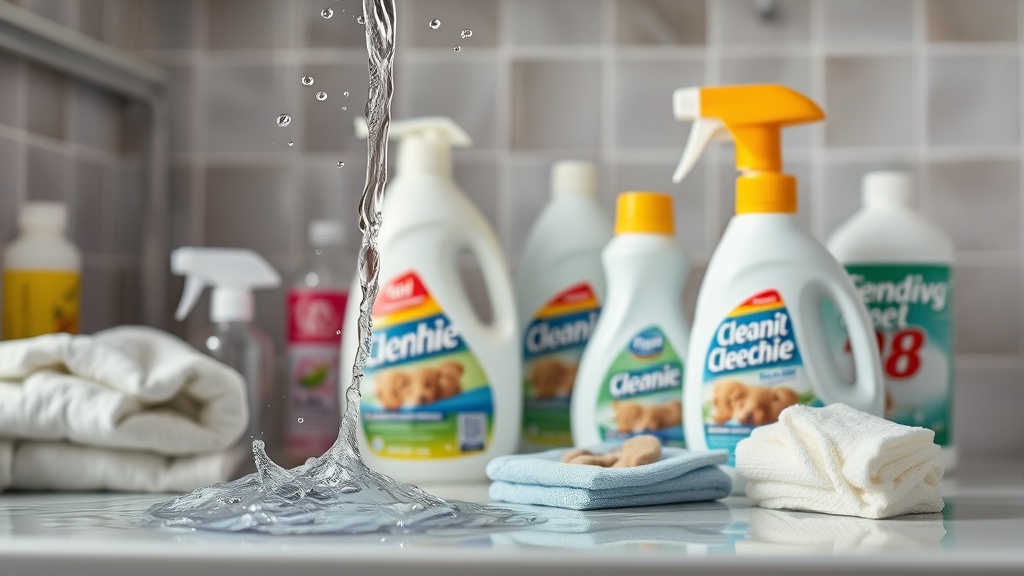
Concentrates for Cleaning: Cost, Efficiency, and Environmental Benefits
If you are frustrated with the high cost and excessive plastic waste involved in buying cleaning products in single-use plastic bottles, concentrates could be the practical, eco-friendly solution you’re looking for. Concentrated cleaning products promise to lower your expenses, reduce packaging waste, and often provide clearer ingredient labels than conventional cleaners—but their benefits aren’t automatic. Understanding how concentrates work, what to look for, and how to use them effectively is key to realizing real savings and environmental impact.
What Are Cleaning Concentrates?
Cleaning concentrates are highly concentrated cleaning solutions sold in small containers or packets. Instead of buying a pre-diluted liquid cleaner in a large plastic bottle, you receive a potent formula intended to be diluted with water before use. This approach means far less packaging, lighter transport weights, and the ability to customize strength for your particular cleaning job.
Concentrates can come in several formats, including:
- Liquid concentrates: Smaller bottles of dense liquid to be mixed with water
- Powder or tablet concentrates: Solid forms dissolved in water before use
- Refill pouches or cartridges: Refill for reusable bottles, reducing single-use plastic waste
Regardless of format, the core idea is the same—maximize cleaning power per ounce to reduce packaging and transportation impact.
See also: RefillWatch’s Best Picks for Sustainable Household Cleaning Products
How Cleaning Concentrates Work
Phone cases · 15% off first order
Galaxy Case Co.Built for Galaxy. Ready for impact. Code FIRST15GALThe key to cleaning concentrates is their formulation concentration. In regular cleaning products, a large amount of water dilutes active ingredients before purchase. Concentrates remove that premixed water, leaving much more active cleaning agent per ounce or gram.
When you dilute a concentrate at home, you restore it to the typical strength ready for cleaning. This means:
- Lower shipping weight and volume for concentrates compared to pre-diluted products, reducing carbon emissions
- Less plastic packaging since you need less volume of product per use
- Control over dilution strength allows you to customize for tough jobs or gentle cleaning
- Potential cost savings if pricing accounts for concentration and packaging differences adequately
When to Use Cleaning Concentrates
Cleaning concentrates work well in almost any typical household cleaning scenario, but especially when:
- You regularly use multiple products like multi-surface cleaners, dish soap, or laundry detergent
- You want to minimize single-use plastics and packaging waste
- You have a reliable system for diluting concentrates accurately (using measuring caps or dose lines)
- You prefer concentrated products with clearer ingredient profiles, increasing ingredient transparency
- You seek to save money over the long term by lowering bottle replacements and shipping costs
However, concentrates require some upfront care and attention to correct dilution to avoid under- or over-use.
Comparing Concentrates to Pre-Diluted Cleaners
Phone cases · 15% off first order
Phone Case GiftFun finds for every vibe. Code FIRST15GIFTHere’s a comparison of cleaning concentrates against traditional pre-diluted liquid cleaners to clarify the trade-offs:
| Feature | Concentrates | Pre-diluted Cleaners | Notes |
|---|---|---|---|
| Packaging volume | ~1/4 to 1/10 volume of equivalent use | Large plastic bottles | Concentrates reduce plastic & shipping waste |
| Cost per use | Typically 30-60% cheaper per ounce of use | Higher due to shipping/storage inefficiencies | Savings depend on retailer pricing |
| Ingredient transparency | Often better – fewer fillers, clear labeling | Can be less clear due to proprietary blends | Read labels to verify transparency |
| Customizable dilution | Yes, adjust strength from mild to strong | No, fixed concentration | Useful for different cleaning tasks |
| Convenience | Requires measuring and dilution | Ready to use | Tradeoff between effort and waste |
| Environmental impact | Lower carbon footprint due to lighter transport and less packaging | Higher due to transporting water and packaging | Environmental benefit depends on usage |
| Shelf life | Usually longer if unopened and stored properly | Varies, generally shorter | Concentrates may avoid preservatives |
Common Pitfalls and How to Avoid Them
-
Incorrect dilution: Using too little concentrate leads to weak cleaning results, too much can waste product and leave residue. Always follow dosing instructions carefully, use measuring tools, and mark reusable bottles for accurate dilution ratios.
-
Buying incompatible concentrates: Some concentrates require specific refill bottles or dispensing devices. Avoid frustration by verifying that your dilutor bottle and concentrate type are compatible.
-
Ignoring ingredient labels: Just because a product is concentrated doesn’t guarantee it’s safe or transparent. Choose products with full ingredient disclosure and certifications if possible.
-
Overpaying for concentrates: Not all concentrates save money. Calculate cost-per-use based on concentrate strength, packaging size, and retail price rather than price per bottle.
-
Neglecting environmental impact of inputs: Concentrates reduce waste mainly through packaging and transportation, but overall environmental benefit depends on manufacturing practices and ingredient safety.
Practical Tips for Using Cleaning Concentrates
Phone cases · 15% off first order
Phone Cases For AllCases that match your energy. Code FIRST15ALL- Invest in a reusable spray bottle marked with measurements for consistent dilution.
- Buy concentrates in bulk or multi-packs to benefit from economies of scale.
- Mix only what you will use within a few weeks to preserve potency and avoid waste.
- If unsure how strong a diluted solution should be, test on inconspicuous surfaces before full use.
- Consider concentrates for multiple cleaning tasks (floor cleaner, dish soap, multi-surface cleaner) to amplify your environmental benefit.
- Look for concentrates certified by independent organizations that verify sustainability claims and ingredient safety.
Top Picks


Watchdog picks
- Field Company Small Cast Iron Skillet – 8.38-Inch Pre-Seasoned Pan for 1–2 ServiCheck on Amazon → ·
- B002R5AF1ICheck on Amazon → ·
- Lodge Seasoned Cast Iron Skillet 6.5 Inches - PFAS-Free, Non-Toxic Cookware - UsCheck on Amazon → ·
- B0014D3N0QCheck on Amazon → ·
- B01N7V39QJCheck on Amazon → ·
- LEVOIT Air Purifier for Home Allergies Pet Hair in Bedroom, Covers Up to 1073 ftCheck on Amazon → ·
- Soldering Iron Kit, 60W Adjustable Temperature, Digital Multimeter, 5pcs SolderiCheck on Amazon → ·
- B00762AHTECheck on Amazon → ·
Products in this guide
- Dawn Ultra Dish Soap, Original Scent, 75 fl oz (2-Pack)Check on Amazon →
- Folgers Classic Roast Ground Coffee, 48 OzCheck on Amazon →
- Tide PODS Laundry Detergent Soap Pods, Original Scent, 112 CountCheck on Amazon →
- LEVOIT Air Purifier for Home Allergies Pet Hair in Bedroom, Covers Up to 1073 ft² by 56W High Torque Motor, AHAM VERIFIDE, 3-in-1 Filter with HEPA Sleep Mode, Remove Dust Smoke Odor, Core300-P, WhiteCheck on Amazon →