
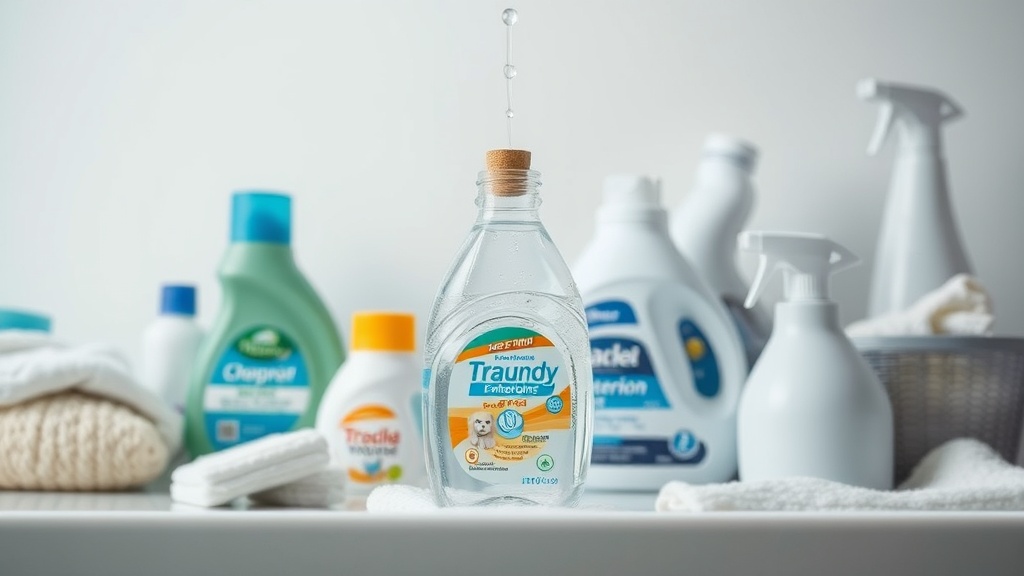
Concentrated Detergents vs. Traditional: Environmental Impact Reviewed
If you’re trying to cut down on single-use plastic and household product waste, deciding between concentrated detergents and traditional formulations isn’t just about cost or cleaning power — it’s an environmental choice with lasting impact. You want to know which option truly reduces your plastic footprint, water usage, and chemical waste, and how to shop smartly without falling for marketing buzzwords.
This article breaks down what concentrated and traditional detergents are, how their environmental impacts compare, and practical tips on how to make the greener choice that fits your household’s needs.
See also: Refillable vs Concentrated Cleaning Products: What’s Better?
What Are Concentrated and Traditional Detergents?
Phone cases · 15% off first order
Galaxy Case Co.Built for Galaxy. Ready for impact. Code FIRST15GALTraditional Detergents:
These are liquid or powder laundry or dish detergents formulated at standard dilution levels. They typically come in large plastic bottles or cartons, containing relatively low amounts of cleaning agents per volume. Because their formulations rely heavily on water, traditional detergents tend to be bulkier and heavier.
Concentrated Detergents:
Concentrated detergents pack more cleaning agents into a smaller volume, reducing or eliminating the water content. The bottle sizes are smaller, and the formulas are designed to be diluted by the user either directly in the machine or at the sink. Concentrated detergents may come as liquids, powders, or in even more compact formats like tablets or pods.
How Concentration Affects Environmental Impact
Concentration primarily influences packaging waste, transportation emissions, and resource usage.
- Smaller Packaging: Concentrates require less plastic per use since the active ingredients are packed more densely, which means smaller bottles and less plastic waste over time. This is a direct win for reducing single-use plastic.
- Lower Transportation Footprint: Smaller, lighter products reduce fuel consumption and emissions related to shipping. This is important because detergent transportation accounts for a significant share of its carbon footprint.
- Water Use: Concentrated products contain less water, which means less downstream water use in packaging and shipping. However, water use during product manufacturing can vary widely based on the formulation.
That said, the impact depends on how consumers use concentrated detergents and the waste-management options available locally.
Comparing Concentrated vs. Traditional Detergents: Environmental Aspects
Phone cases · 15% off first order
Phone Case GiftFun finds for every vibe. Code FIRST15GIFT| Feature | Concentrated Detergent | Traditional Detergent | Notes |
|---|---|---|---|
| Package Size | Smaller bottles, less plastic | Larger bottles, more plastic | Concentrates usually reduce plastic per use |
| Transportation Impact | Lower shipping weight and volume | Higher shipping weight and volume | Concentrates reduce overall emissions |
| Water Content | Minimal water, more active ingredients | High water content | Less water saves embedded water usage |
| Cleaning Power per Volume | Higher, less product per load needed | Lower, more product per load | Efficient formulas reduce consumption |
| Refill & Reuse Options | More common and feasible via cartridge or pouch | Less common | Refills enhance the plastic-saving gains |
| Ingredient Transparency | Often clearer due to simpler formulas | Varies widely | Important to vet ingredients for biodegradability |
| Cost per Wash | Typically lower despite higher upfront | Generally higher per wash | Bulk purchase or compatible refills improve value |
| Wastewater Impact | Depends on formulation complexity | Depends on surfactants and enzymes | Biodegradability and toxicity vary |
When to Choose Concentrated Detergents
-
Reducing Plastic Footprint is a Priority:
If minimizing single-use plastic is your top concern, concentrates are a step forward due to smaller bottles and compatibility with refill pouches or cartridges. -
Access to Refill Programs:
Concentrated detergents paired with a refill system (e.g., reusable bottles refilled by pouch or bulk dispenser) can drastically reduce waste. -
Storage Constraints:
Smaller, more potent bottles take up less shelf space, useful in apartments or small closets. -
Energy and Water Conservation Efforts:
Some concentrates are formulated for cold-water washing and shorter cycles, further reducing environmental impact in laundry.
Common Pitfalls and What to Watch Out For
Phone cases · 15% off first order
Phone Cases For AllCases that match your energy. Code FIRST15ALL-
Misusing Concentrates:
Using traditional high volumes for concentrates leads to overuse, negating environmental benefits and wasting product. -
“Refillable” Does Not Always Mean Sustainable:
Some brands use cartridges or pods labeled reusable but end up generating more plastic or complex waste that’s not recycled locally. -
Ingredient Transparency and Toxicity:
Concentrated formulas can contain more potent chemicals. Check if ingredients are biodegradable and free from problematic surfactants or preservatives. -
Cost vs. Value Confusion:
Concentrated detergents may seem more expensive per bottle, but their higher efficacy typically makes per-wash cost lower — do the math based on your load size. -
Compatibility of Refills and Bottles:
Third-party refills or compatible cartridges may save money and waste but verify compatibility to avoid leaks, contamination, and reduced product effectiveness.
How to Calculate Real Cost and Environmental Savings
Step 1: Compare concentration ratios
Determine how much detergent per wash is recommended in each formula. Concentrates can be 2-5 times stronger.
Step 2: Calculate cost per wash
Divide bottle price by washes per bottle using recommended dosing.
Step 3: Assess packaging waste per use
Divide plastic packaging weight by washes per bottle.
Step 4: Investigate refill options
Check if refill pouches or cartridges reduce plastic waste and cost further, factoring in their own packaging.
Example:
- A traditional detergent might have a 50-load 100 oz bottle with 500g of plastic packaging costing $10:
- Cost per wash = $10 / 50 = $0.20
- Plastic per wash = 500g / 50 = 10g - A concentrate could be a 25-load 20 oz bottle with 100g plastic packaging costing $8:
- Cost per wash = $8 / 25 = $0.32
- Plastic per wash = 100g / 25 = 4g
Although concentrate is more expensive per wash, plastic waste is much lower (60% less).
Using refill pouches that weigh 20g per 25 loads can cut plastic use even more.
Practical Tips for Maximizing Environmental Benefits of Detergents
- Use exact dosing: Follow concentration guidelines to prevent overdosing, which wastes product and creates excess suds that burden water treatment.
- Prefer refill options: Seek out concentrate refills sold in minimal plastic pouches or bulk to refill reusable dispensers.
- Look for ingredient transparency: Brands that list full surfactant profiles and avoid phosphates, nonylphenol ethoxylates, and microplastics are better choices.
- Choose biodegradable formulas: Confirm ingredients degrade readily to reduce water pollution.
- Recycle or repurpose packaging: Check local recycling capabilities and reuse bottles whenever possible.
- Consider concentrate powder pods or tablets: These can reduce packaging yet often require less chemical preservatives.
- Cold water compatibility: Select concentrates formulated to clean well in cold water to save energy.
Summary Table: When to Choose Which Detergent Type
| Scenario | Concentrated Detergent | Traditional Detergent |
|---|---|---|
| Plastic waste reduction | Best choice—smaller bottles, refills | Less optimal, bulky packaging |
| Budget-conscious per wash | Usually better value with careful dosing | Often more expensive per wash |
| Storage space limited | Compact, smaller bottles | Bulky, large bottles |
| Easy-to-find ingredient transparency | Often clearer, less complex formulas | Mixed, some less transparent |
| Local recycling of bottle and pouch | Refill pouches may require special recycling | Easier but more plastic per use |
| Risk of misuse (overdosing) | Higher if instructions ignored | Lower, more forgiving concentrations |
| Access to refill programs | Frequently available, a major benefit | Rarely available |
Top Picks


Watchdog picks
- Dr. Tobias Omega 3 Fish Oil 2000mg Triple Strength with 800mg EPA 600mg DHA Per Check on Amazon → ·
- Field Company Mini Cast Iron Skillet – Extra-Small 6.75 Inch, One-Egg Pan, Pre-SCheck on Amazon → ·
- Extra Deep Queen Sheet Set - 6 Piece Breathable and Cooling Sheets - Hotel LuxurCheck on Amazon → ·
- E-Z Ink Remanufactured Ink Cartridge Replacement for 252XL Combo Pack for Epson Check on Amazon → ·
- Eva-Dry Wireless Mini Dehumidifier, White (E-333)Check on Amazon → ·
- B07F97MPYTCheck on Amazon → ·
- B001ET73J2Check on Amazon → ·
- Fanttik T1 Max Soldering Iron Kit, Cordless Soldering Iron, 7 Seconds Fast HeatiCheck on Amazon → ·
Products in this guide
- WEP 927-IV Soldering Station Kit High-Power 110W with 3 Preset Channels, Sleep Mode, LED Magnifier, 5 Extra Iron Tips, Tip Cleaner, 2 Helping Hands, Tip Storage Slots, Lead-free Solder Wire, TweezersCheck on Amazon →
- Folgers Classic Roast Ground Coffee, 48 OzCheck on Amazon →
- Soldering Iron Kit, 80W 110V LCD Digital Solder Iron Pen with Ceramic Heater, Portable Welding Tools with 5pcs Tips, Stand, Solders Wire, Sponge, Paste, for Metal,Electric Repairs, DIYCheck on Amazon →
- Soldering Kit, 60W Soldering Iron, 110V Welding Kit with Ceramic Heater, Portable Solder Irons with 5pcs Extra Tips, Stand, Solder Tube, Sponge, for Electronic RepairCheck on Amazon →