Concentrated All-Purpose Cleaner: Dilution Ratios That Actually Save Money

By Dana Wolff · Editor, RefillWatch
Published May 28, 2026
RefillWatch is reader-supported. We do not accept payments from retailers to influence our rankings or reviews. If you use the links in this article to purchase a product, we may earn a commission, which helps us continue our independent price tracking and consumer advocacy work. We name the hikes, and we name the alternatives.
The Hidden Cost of “Convenience”
Every time you walk down the cleaning aisle, you are effectively paying a premium for shipping water. Most ready-to-use (RTU) all-purpose cleaners are 95% water and 5% active cleaning agents. When you buy a standard 32-ounce spray bottle, you are hauling heavy plastic across the country, paying for the weight of the water, and tossing the bottle in the bin once it’s empty.
At RefillWatch, we’ve tracked a steady “convenience tax” on standard household cleaners. Retailers know that consumers gravitate toward the bright, pre-filled bottles at eye level. By keeping the price-per-bottle deceptively low—often under $5—they mask the fact that you are paying a massive markup for a product that costs pennies to manufacture. To stop the drain on your wallet, you have to stop buying the water and start buying the concentrate.
The Math: Concentrated Cleaner Cost-Per-Use
When we analyze the concentrated cleaner cost per use, the savings are rarely marginal; they are transformative. Let’s look at the industry standard: a leading brand’s 32-ounce ready-to-use spray bottle retails for approximately $4.50.
If you switch to a professional-grade concentrate, the math changes immediately. A 32-ounce bottle of concentrated cleaner typically costs about $15.00. However, most of these formulas require a dilution ratio of 1:32 or even 1:64.
At a 1:32 ratio, one 32-ounce bottle of concentrate yields 32 gallons of cleaning solution.
- Ready-to-Use: 32 ounces for $4.50 (roughly $0.14 per ounce).
- Concentrate: 4,096 ounces (32 gallons) for $15.00 (roughly $0.003 per ounce).
Even when you factor in the cost of a reusable spray bottle, the break-even point occurs before you finish your first gallon of diluted solution. You are essentially paying for three or four bottles of RTU cleaner and then cleaning for free for the next two years.
How to Calculate Your Own Dilution
Don’t trust the marketing claims on the front of the bottle; always flip it to the back. Look for the “Dilution Ratio.”
- Identify the Ratio: If it says 1:10, you need 1 part concentrate to 10 parts water.
- Total Volume: If your spray bottle is 32 ounces, divide 32 by 11 (the total parts: 1+10).
- The Result: You need approximately 2.9 ounces of concentrate and 29.1 ounces of water.
If you aren’t ready to commit to professional janitorial brands, check your local supply for “refill tablets” or “pods.” While slightly more expensive than bulk liquid concentrate, they still eliminate the shipping of water and the waste of single-use plastic.
The Shrinkflation Trap in Cleaning Aisles
Retailers are masters of psychological pricing. We have observed a trend where the total volume of RTU cleaners remains constant, but the “active ingredients” are diluted further, or the sprayer mechanism is made cheaper and more prone to breaking.
When your trigger sprayer fails after three uses, you are forced to buy a new bottle, even if you still have 75% of the liquid left. This is a deliberate design choice. By moving to a high-quality glass or heavy-duty plastic reusable bottle, you bypass the “disposable” trap entirely.
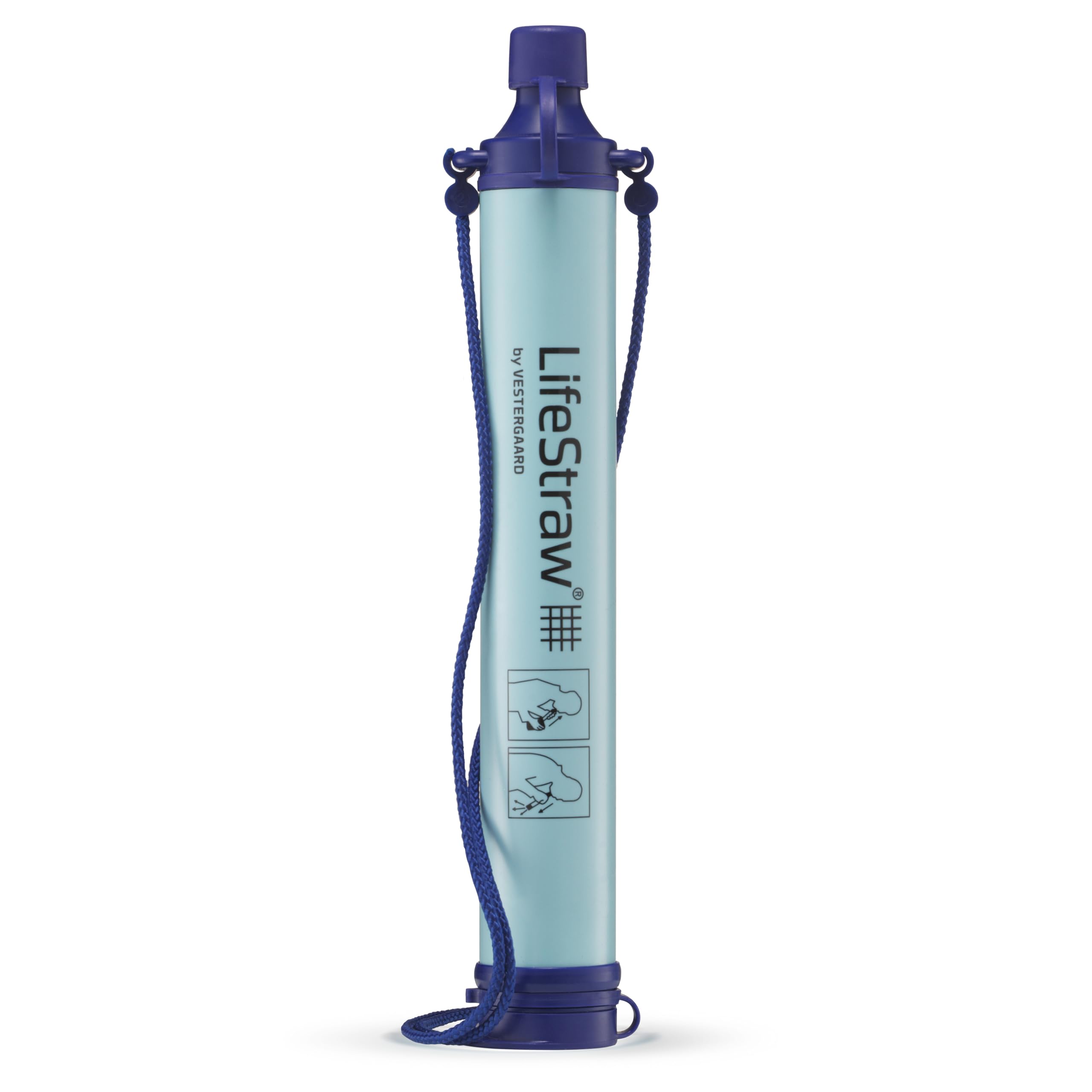
If you find yourself constantly replacing items due to poor build quality or sneaky volume reductions, consider where else your household budget is leaking. We often see the same “convenience pricing” applied to bottled water, where the cost of the plastic and the transport far outweighs the value of the spring water itself. If you are still buying cases of water, you might want to compare your current spend against the long-term utility of a personal water purifierAmazon →.
Practical Steps to Transition
Switching to concentrates requires a small change in behavior, but the payoff is significant. Follow these steps to optimize your cleaning setup:
1. Invest in the Hardware
Stop using the flimsy bottles that come with the cleaner. Buy a set of amber glass or high-density polyethylene (HDPE) spray bottles. They are durable, chemical-resistant, and allow you to clearly label the contents and the dilution ratio.
2. Standardize Your Cleaners
Most households over-complicate their cleaning cabinet. You do not need a specific cleaner for your glass, another for your counters, and a third for your baseboards. A high-quality pH-neutral concentrate can handle 90% of household surfaces. By reducing the number of products you buy, you reduce the number of price hikes you are vulnerable to.
3. Track the “Hidden” Costs
The biggest cost in your home often isn’t the price of the item on the shelf, but the frequency of the purchase. If you find yourself buying household essentials on a whim, you are likely paying the “convenience premium.” Whether it’s printer paperAmazon → or disinfectant wipes, price-watchers know that buying in bulk and avoiding single-use packaging is the only way to beat the retailer’s game.
Final Watchdog Verdict
The shift toward concentrated cleaners is one of the easiest ways to insulate yourself from retail price creeping. When you stop buying water, you stop paying for the logistics of moving that water. You stop paying for the fancy, disposable plastic bottles that are designed to break. And most importantly, you stop letting retailers dictate your budget through small, incremental price increases on “staple” items.
The next time you are at the store, look past the colorful, ready-to-use bottles. Find the concentrate section, do the math on the dilution ratio, and make the switch. Your wallet will notice the difference within the first month. We’ll keep watching the prices, but once you make the switch to concentrates, the retailer’s price hikes won’t reach you anymore.
Featured in this article
Shop the picks mentioned above
We earn a small commission if you buy through these links, at no extra cost to you.