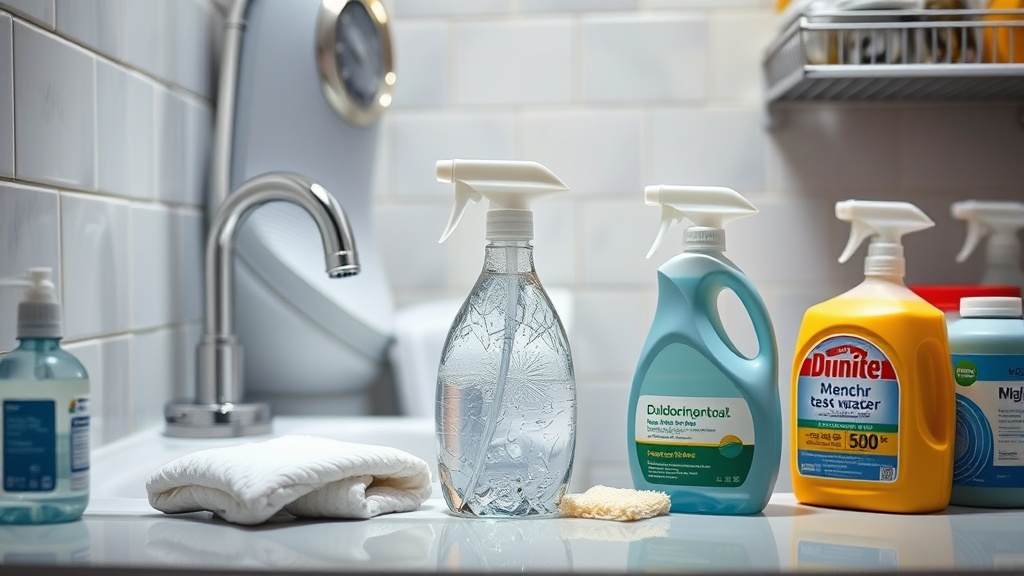
Many households want to reduce single-use plastic waste without sacrificing convenience or product quality, but navigating the refillable product market can be confusing. Leading refillable brands all claim to cut plastic waste, but their approaches and actual impact vary significantly. This article breaks down how different refillable systems work, how much plastic they really save, and what to look for if you want to align your purchases with your plastic reduction goals.
What Are Refillable Brands?
Refillable brands offer household products—typically cleaning supplies, personal care items, or kitchen staples—in packaging designed to be reused multiple times. Instead of throwing away a full plastic bottle after use, you use a refill pouch, cartridge, or concentrate solution to replenish the original container. This model aims to reduce the number of single-use plastic bottles entering landfills and oceans.
However, “refillable” covers a range of designs and practices:
- Durable bottles with concentrate refills: Customers buy a high-quality bottle once, then refill it with a concentrated formula diluted at home or premixed in a pouch.
- Cartridge-based systems: Bottles use proprietary or compatible cartridges containing detergent or liquid soap, which can be swapped out repeatedly.
- Bulk refill stations: Some brands provide reusable bottles intended for in-store fill-ups, reducing packaging waste dramatically.
Each approach has different trade-offs in convenience, environmental impact, and cost savings.
See also: Top Eco-Friendly Refillable Shampoo Brands Reviewed
How Refillable Brands Actually Reduce Plastic Waste
Phone cases · 15% off first order
Galaxy Case Co.Built for Galaxy. Ready for impact. Code FIRST15GALThe main goal is to reduce the total plastic used per cleaning cycle. Key factors include:
- Concentration ratio: How much product you get per unit volume. Highly concentrated formulas use less plastic packaging because more use comes from a smaller container.
- Durability and lifespan of the bottle: A well-made bottle used for a year or more greatly reduces waste.
- Refill pouch or cartridge design: Flexible pouches use thinner plastic than bottles but may not be recyclable everywhere.
- Use of recycled materials: Some refill brands produce bottles made from recycled plastics or bioplastics to lower their footprint.
- Compatibility: Proprietary cartridges can limit options, while compatible third-party refills can extend bottle life and reduce waste further.
Comparing the Leading Approaches
Concentrated Formula with Durable Bottles
Most refill brands start by selling a quality reusable bottle—usually made from rigid plastic or glass—and then offer concentrate refills in lightweight pouches. Since the concentrate is diluted at home, plastic use goes down drastically compared to buying ready-to-use bottles.
- Plastic saved: Up to 80-90% less plastic by weight
- Cost savings: Typically 30-50% cheaper per use due to lower packaging and shipping costs
- Transparency: Ingredient lists are often fully disclosed for concentrate formulas
- Challenges: Requires measuring and mixing at home, which can be inconvenient or inaccurate; less handy for fast refills
Cartridge-Based Refill Systems
These systems use a branded bottle and detachable cartridge filled with product. The cartridge snaps or clicks into the bottle and snaps out when empty.
- Plastic saved: Approximately 40-60% reduction due to reusable bottles and cartridges that use less plastic than full bottles
- Cost savings: Moderate; cartridges are often premium-priced due to design and brand control
- Transparency: Varies; some cartridges disclose ingredients, others less so
- Challenges: Proprietary cartridges can limit refill choices, and incompatible third-party refills may void warranty or damage bottle
Bulk Refill Stations and Drop-Offs
Here, customers bring their own reusable bottles to a store, fill up from bulk dispensers, and reduce waste massively.
- Plastic saved: Up to 95% reduction compared to single-use bottles, since bottles are 100% reused and packaging waste is eliminated
- Cost savings: Highly cost-effective since bulk volumes cut packaging and distribution costs
- Transparency: Usually good, as bulk product labeling tends to be full and upfront
- Challenges: Requires access to participating stores and a willingness to plan refill trips; limited product variety
Plastic Reduction Comparison Table
Phone cases · 15% off first order
Phone Case GiftFun finds for every vibe. Code FIRST15GIFT| Feature | Concentrated Bottles + Pouches | Cartridge-Based Bottles | Bulk Refill Stations |
|---|---|---|---|
| Plastic usage reduction | High (80-90%) | Moderate (40-60%) | Very high (90-95%+) |
| Upfront bottle cost | Moderate to High | Moderate to High | None (customer-owned bottle) |
| Per-use cost savings | High (30-50%) | Moderate (~20-30%) | Very high |
| Ingredient transparency | Usually full | Variable | Usually full |
| Refill convenience | Requires mixing | Easy cartridge swap | Requires store visit |
| Compatibility with third-party refills | Good | Usually limited | N/A (bulk-only) |
| Typical product categories | Cleaning, personal care | Cleaning, personal care | Cleaning, personal care |
When to Choose Each System
- Choose concentrate + bottle if: You want the maximum plastic reduction and cost savings at home, don’t mind mixing, and appreciate ingredient openness.
- Choose cartridge-based if: You prioritize easy, mess-free refills and don’t mind some plastic use or proprietary controls.
- Choose bulk refill stations if: You live near participating stores, seek maximal plastic waste elimination, and enjoy routine shopping trips.
Common Pitfalls to Watch Out For
Phone cases · 15% off first order
Phone Cases For AllCases that match your energy. Code FIRST15ALL- Recyclability confusion: Some refill pouches are thin and not widely recyclable, meaning they still may end up as waste if facilities are unavailable.
- Proprietary locking: Systems that lock you into brand-specific cartridges or refills can increase waste and costs since you can’t use compatible refills or switch brands.
- Mixed messaging and marketing: “Refillable” claims vary and don’t guarantee meaningful waste reduction. Look for clear data on plastic saved and reuse lifespan.
- Ingredient opacity: Some refill formula ingredients may be undisclosed or use synthetic chemicals; transparency influences safety and eco-credentials.
- Short bottle lifespan: Cheaper reusable bottles may degrade or grow moldy quickly, leading to premature disposal and lost plastic savings.
Practical Tips for Households Trying to Cut Plastic
- Prioritize refill systems that provide clear data on plastic reduction, ingredient lists, and reuse durability.
- Calculate your own use frequency to find whether upfront bottle costs and refill prices make sense long-term.
- Use compatible third-party refills if they are safe and validated to extend bottle life and reduce proprietary waste.
- Consider bulk refill stations as part of a broader plastic reduction lifestyle if accessible.
- Always recycle leftover packaging according to local guidelines to prevent plastic leakage.
By choosing the right refillable system for your lifestyle and reading beyond marketing buzzwords, you can meaningfully cut single-use plastic and household waste.
Top Picks

Watchdog picks
- B08K3J4WX6Check on Amazon → ·
- HQ Replacement Soldering Iron For Hakko FX-8801 FX-888D StationCheck on Amazon → ·
- B07ZPSFVX5Check on Amazon → ·
- Cuisinel Cast Iron Skillet with Lid - 12”-inch Pre-Seasoned Covered Frying Pan Check on Amazon → ·
- Soldering Iron Kit, 80W 110V Fast Heat up in 10s LCD Digital Adjustable TemperatCheck on Amazon → ·
- B07YPR2DGHCheck on Amazon → ·
- B09WDBHXB3Check on Amazon → ·
- Soldering Iron Kit, 60W Adjustable Temperature, Digital Multimeter, 5pcs SolderiCheck on Amazon → ·