
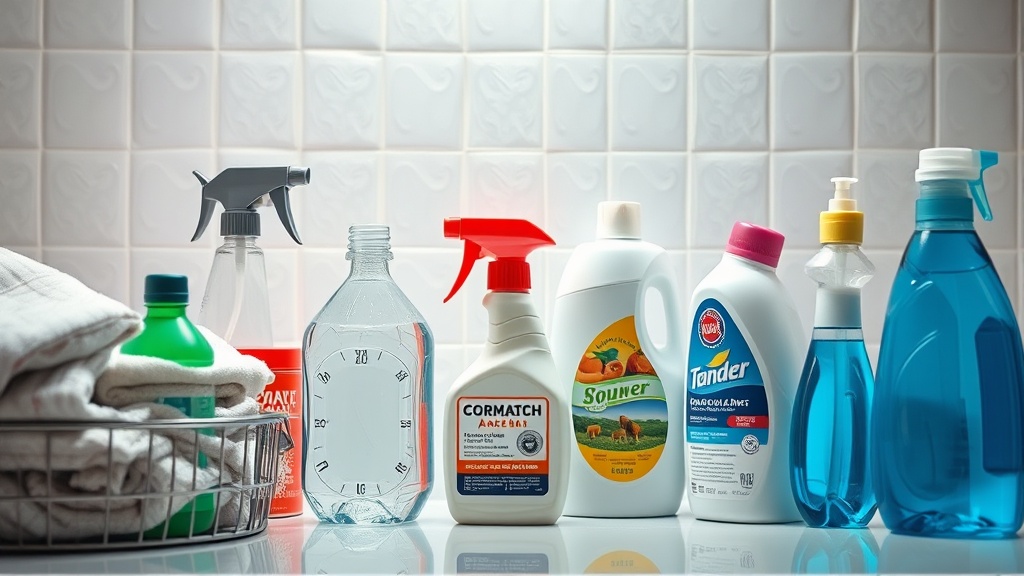
Many households want to reduce plastic waste from personal care products, but figuring out which refillable brands actually deliver meaningful plastic reduction—without hidden environmental costs or high prices—can be overwhelming. This guide compares some of the top refillable personal care brands focused on shampoo, conditioner, body wash, and lotions, helping you understand how their refill models work, how much plastic you can realistically save, and which options make the most sense for different waste-cutting goals.
What Are Refillable Personal Care Brands?
Refillable personal care brands design their products and packaging systems to allow consumers to reuse containers multiple times instead of discarding single-use plastic bottles after one use. Typically, this involves purchasing a durable, well-made bottle or dispenser once and then buying refills either as pouches, cartridges, pods, or concentrate bottles to replenish the container.
The primary goal is to cut down on the total volume of plastic entering regular waste or recycling streams. Many brands focus on:
- Durable containers engineered for multiple refills
- Refill formats with drastically less plastic per use, like soft pouches or bulk concentrates
- Ingredient transparency to appeal to health and eco-conscious buyers
- Cost savings through volume concentration or reduced packaging
See also: Plastic Reduction Wins: Refills That Transform Your Personal Care Routine
How Do Refillable Personal Care Systems Work?
Phone cases · 15% off first order
Galaxy Case Co.Built for Galaxy. Ready for impact. Code FIRST15GALMost refill systems fall into one of these categories:
- Pouch refills: Flexible plastic pouches hold bulk product and use 70-90% less plastic than equivalent bottles. You pour them into the reusable bottle.
- Cartridge refills: Pre-measured cartridges snap or slide into a dispenser. The dispenser pumps product out, and cartridges are replaced when empty. Not all cartridges are reusable or recyclable.
- Concentrated refills: Highly concentrated formulas that you dilute with water in the original container. Concentrates significantly reduce plastic and shipping emissions per use.
- Bulk bottle refills: Large reusable bottles, often with thicker plastic or glass, refilled with similarly sized bottles or in-store filling stations.
When done right, each approach cuts single-use plastic and often offers ingredient benefits like clean, transparent formulations without excess preservatives.
Comparing Popular Refillable Personal Care Brand Models
Below is a comparison table that highlights typical features, typical plastic saving estimates, average cost per use, and ingredient transparency levels for generic refillable personal care brand models currently in the market. These categories help assess the real-world benefits across plastic waste, wallet impact, usability, and product quality.
| Feature | Pouch Refill Model | Cartridge Refill Model | Concentrated Refill Model | Bulk Bottle Refill Model |
|---|---|---|---|---|
| Plastic Use Reduction | ~70-90% less plastic vs bottles | 50-70% less plastic per use | 80-95% less plastic | Varies; depends on refill size |
| Container Durability | Medium (usually plastic bottles) | High (durable dispenser units) | High (durable container needed) | High (usually glass or thick plastic) |
| Refill Convenience | Pour and screw cap needed | Easy snap-in/out cartridges | Mix concentrate and water | Refill by pouring or in-store |
| Cost per Use | Moderate; savings on refill cost | Often higher due to proprietary cartridges | Low, due to concentrate dilution | Moderate to low, depending on refill size |
| Ingredient Transparency | Usually clear to good | Varies; some closed formulas | Usually good to excellent | Varies, often very transparent |
| Waste at End of Life | Pouch and bottle recyclable but pouch less so | Cartridges may be mixed plastics hard to recycle | Bottle recyclable, concentrate bottle very small | Bottle recyclable, refill bottle limits single-use waste |
| Best Use Scenario | Home users who want simple refills | Brands loyal users with dispensers | Budget-conscious and tech-savvy buyers | Eco-focused consumers with refill access |
How to Choose a Refillable Brand That Actually Reduces Plastic
Phone cases · 15% off first order
Phone Case GiftFun finds for every vibe. Code FIRST15GIFTWhen evaluating refillable personal care brands, consider these four main factors:
1. Plastic Reduction Potential
Look past all claims and check how much plastic is saved per refill cycle. A brand promising “refillable” isn’t necessarily a large plastic saver if the container isn’t durable or refills come in small bottles. Typically, pouch refills or concentrated formulas deliver the biggest reductions.
2. Refill Fill Format
Refills in soft pouches or concentrated liquids use dramatically less plastic and have lower shipping weight, resulting in lower emissions and costs. Cartridge refills can be convenient but often contain more complex plastic assemblies that are not recyclable.
3. Cost Mathematics
Cost per use matters if you want to maintain your refill habit long term. Sometimes buying the initial dispenser or reusable bottle is expensive, so evaluate refill cost relative to typical one-time bottle buys. Concentrates usually save the most money over time.
4. Ingredient Transparency
Brands committed to recycled plastic use frequently also pride themselves on ingredient transparency. If seeing exactly what is inside your product matters, look for companies that publish full ingredient lists and avoid unnecessary synthetic additives.
Example: The Price-Per-Use Refill Calculation
Imagine you have a standard 16-ounce body wash bottle that costs $10 single-use. Brand A sells a 32-ounce refill pouch for $15. Initial bottle cost is $12.
- Single-use cost per ounce: $10/16 = $0.625
- Refillable cost per ounce: ($12 + $15) / 32 = $0.84
At first glance, refillable costs can seem higher when factoring initial bottle purchase. But calculate over repeated refills:
Assuming the bottle lasts for 10 refills:
- Total liters: 32 oz x 10 = 320 oz
- Cost: $12 (initial) + $15 x 10 = $162
- Cost per ounce over 10 refills: $162 / 320 = $0.506
Now the refillable option is cheaper by about 20% and saves significant plastic over time.
Common Pitfalls and How to Avoid Them
Phone cases · 15% off first order
Phone Cases For AllCases that match your energy. Code FIRST15ALLPitfall 1: “Refillable” but Poor Durability
Some containers aren’t built to last beyond a couple of refills, leading consumers to buy replacements frequently, negating plastic savings.
Solution: Choose brands with robust bottles designed for many refill cycles, with available replacement parts if needed.
Pitfall 2: Proprietary and Hard-to-Recycle Cartridges
Many cartridge systems lock you into specific refills that may have complex plastic materials and no recycling options.
Solution: Opt for refill formats with easily recyclable materials (simple pouches or bottles) and avoid cartridges without recycling programs.
Pitfall 3: Misleading Concentration Claims
Some concentrates have poor dilution instructions or degrade in quality over time, resulting in product waste rather than savings.
Solution: Select concentrated products with clear instructions and good user experiences for mixing.
Summary
Refillable personal care brands offer a powerful way to cut single-use plastic waste—but not all refill formats deliver equal environmental or economic benefits. Pouch and concentrated refills tend to offer the biggest plastic savings and wallet benefits but require some user effort. Durable reusable bottles paired with bulk or concentrated refills can dramatically reduce plastic waste if you commit long term. Cartridge refills offer convenience but often lock you into proprietary, less recyclable formats.
Choosing the right refillable system means assessing your priorities around plastic reduction, cost, convenience, and ingredient transparency. Use this guide to navigate the trade-offs and make informed purchases that truly cut single-use plastic while keeping your bathroom routine enjoyable and affordable.
Top Picks

Watchdog picks
- B074ND5RDTCheck on Amazon → ·
- E-Z Ink Remanufactured Ink Cartridge Replacement for 252XL Combo Pack for Epson Check on Amazon → ·
- ESTRADIOL 2XWEEKLY (AB3) 0.025 MG PATCHCheck on Amazon → ·
- B01N4NLZJNCheck on Amazon → ·
- B002BWQ6XKCheck on Amazon → ·
- Downy Fabric Softener Dryer Sheets, April Fresh, 120 CountCheck on Amazon → ·
- Soldering Iron Kit, 60W LED Display Digital Solder Pen, 5 Replaceable Tips, 21-iCheck on Amazon → ·
- B08KDQZJQ5Check on Amazon → ·
Products in this guide
- Dawn Ultra Dish Soap, Original Scent, 75 fl oz (2-Pack)Check on Amazon →
- Folgers Classic Roast Ground Coffee, 48 OzCheck on Amazon →
- WEP 927-IV Soldering Station Kit High-Power 110W with 3 Preset Channels, Sleep Mode, LED Magnifier, 5 Extra Iron Tips, Tip Cleaner, 2 Helping Hands, Tip Storage Slots, Lead-free Solder Wire, TweezersCheck on Amazon →
- 280XXL 281XXL Ink for Canon Ink 280 281 Replacement for Canon TR8620 Ink Cartridges High Page Yield Work for PIXMA TR8620 TR8620A TR7520 TS8220 TS6120, 6 Pack PGBK/PB/Black/Cyan/Magenta/YellowCheck on Amazon →