
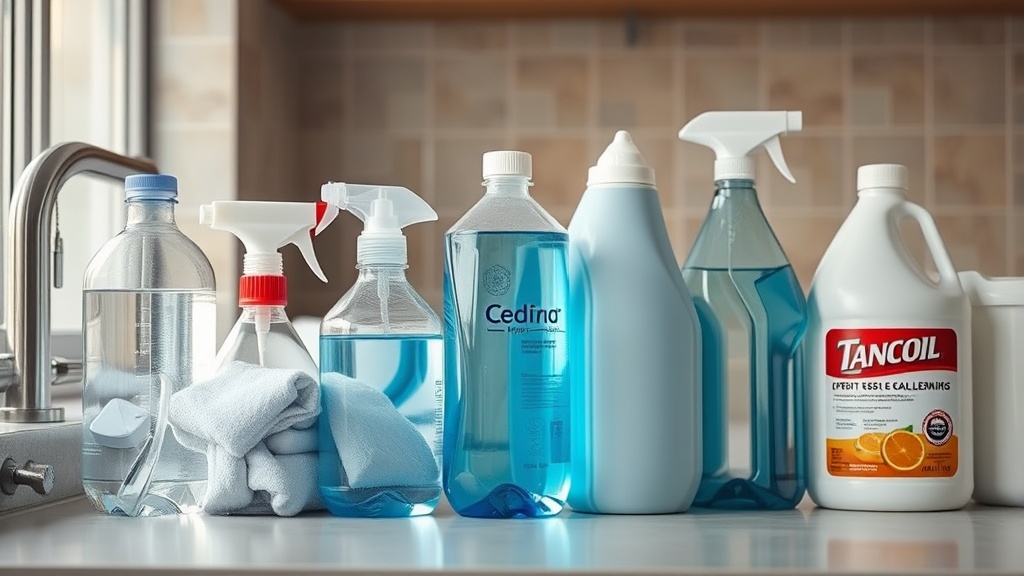
Brand Comparison: Refillable vs. Disposable Cleaning Product Effectiveness
If you’re tired of throwing away single-use plastic bottles after every cleaning session yet unsure whether switching to refillable cleaning products truly maintains cleaning power, you’re not alone. Many households wrestle with balancing eco-friendly choices against cleaning effectiveness and cost. This article will break down the key differences between refillable and disposable cleaning products, helping you make an informed decision that suits your home, budget, and environmental goals.
What It Is: Refillable vs. Disposable Cleaning Products
Disposable Cleaning Products are traditional single-use containers, typically plastic bottles, filled with ready-to-use solution. You buy a new bottle each time and discard the empty container afterward.
Refillable Cleaning Products generally involve purchasing a durable bottle that can be reused repeatedly, paired with refill packs or cartridges containing concentrated cleaning solutions. These refills either come as pre-measured capsules, pouches, or cartridges that you mix with water before use. Some brands offer brand-specific cartridges, while others allow third-party refills.
See also: Zero-Waste Bathroom Swaps: Refillable vs Single-Use Products
How Refillable and Disposable Products Work
Phone cases · 15% off first order
Galaxy Case Co.Built for Galaxy. Ready for impact. Code FIRST15GAL| Feature | Disposable Cleaning Products | Refillable Cleaning Products |
|---|---|---|
| Packaging Type | Single-use plastic bottle | Reusable bottle + concentrate refill (pouch/cartridge) |
| Cleaning Solution Type | Ready-to-use, pre-diluted | Concentrated formula requiring dilution |
| Material Waste per Use | High – bottle discarded after use | Low – bottle reused; only refill pouch discarded |
| Ingredient Transparency | Varies by brand; often full ingredient listing | Often more transparent; concentrate formulas emphasize active ingredients |
| Cost per Use | Higher because of single-use packaging and dilution | Lower, due to reduced packaging and higher concentration |
| Cleaning Effectiveness | Consistent; always diluted and prepared by manufacturer | Potentially comparable but depends on correct dilution and formulation |
| Convenience | Very convenient; just open and use | Requires mixing dilutions; may have learning curve |
| Environmental Impact | High due to plastic waste | Lower plastic waste but dependent on refill pack recyclability |
Concentration Ratios and Cleaning Effectiveness
One of the biggest advantages refillable products offer is higher concentration ratios. Instead of shipping and disposing of large volumes of water-filled bottles, refill packs supply a small amount of concentrated cleaning agents to be mixed with water at home. Typical concentration can be 5 to 10 times stronger than ready-to-use liquids.
This concentration can offer:
- Better storage efficiency, reducing transport emissions and packaging use.
- Potentially stronger cleaning power, adjustable by changing dilution ratios for tougher jobs.
- Greater ingredient transparency, as concentrates often highlight active compounds more clearly.
However, cleaning effectiveness relies heavily on dilution accuracy and the quality of the concentrate. If dilutions are too weak, cleaning performance suffers. Too strong, and surface damage or residue could occur.
Cost Analysis: Refillable vs. Disposable
Phone cases · 15% off first order
Phone Case GiftFun finds for every vibe. Code FIRST15GIFTCalculating real savings depends on how you use the products. Here’s a simplified example comparing a typical disposable bottle with a concentrate refill:
| Cost Element | Disposable Bottle | Refillable Bottle + Concentrate |
|---|---|---|
| Initial Bottle Cost | $4 (one-time use) | $8 (reusable bottle, one-time) |
| Cleaning Solution Cost | $4 (per bottle) | $3 (one concentrate refill comparable to one bottle) |
| Uses per Bottle/Refill | 1 | 5+ (with one refill and bottle reuse) |
| Cost per Use | $4 | ~$0.60 (bottle costs amortized over 10+ uses) |
| Packaging Waste Per Use | 1 plastic bottle | 1 small pouch (much less plastic) |
Over time, refillables can reduce your cost per cleaning use by 70%-80%, assuming you reuse the bottle multiple times and purchase concentrate refills regularly.
Ingredient Transparency and Safety Considerations
Disposable products sometimes hide ingredient percentages or use vague terms to protect formulations. Refills, especially concentrated ones, often list active ingredients and their function explicitly, promoting informed choices.
However, concentrates:
- Are more potent and may need handling precautions during dilution.
- Could cause skin or eye irritation if improperly mixed or spilled.
- Require keeping mixing instructions handy to avoid misuse.
Always check labels for ingredient safety data and dilution recommendations.
Which ‘Refillable’ Claims Provide Real Environmental Benefits?
Phone cases · 15% off first order
Phone Cases For AllCases that match your energy. Code FIRST15ALLNot all refillable products are equally sustainable. Beware of:
- Refill packs that come in hard-to-recycle plastic—e.g., multi-layer laminates.
- Cartridge systems that require disposing of rigid plastic pods, which may not be recyclable in your area.
- Refillable bottles that are used only a few times before disposal (reduce reuse frequency to maximize benefits).
The best refillable systems feature:
- Concentrated formulations in minimal, recyclable flexible packaging.
- Durable bottles designed for long-term reuse.
- Transparent ingredient labeling so you know what you’re using.
When to Choose Refillable vs. Disposable Products
Choose refillable products if:
- You’re ready to spend a few extra minutes diluting concentrates.
- You want to lower long-term plastic waste significantly.
- You prioritize clear ingredient lists and customizable cleaning strength.
- You have access to local recycling facilities that accept the refill packaging.
Choose disposable products if:
- Convenience and immediate use without mixing is your priority.
- You want guaranteed consistent dilution and cleaning power.
- Refill options in your area are limited or non-recyclable.
Common Pitfalls When Switching to Refillable Cleaning Products
- Inaccurate dilution: Leads to weak cleaning results or damage.
- Insufficient bottle cleaning: Residue buildup can reduce bottle longevity.
- Overlooking packaging recyclability: Some refill pouches may not be recyclable in your community.
- Assuming all refillable claims equal sustainability: Packaging type and reuse frequency matter.
- Not factoring in upfront cost of reusable bottle: Initial outlay can be higher but pays off over time.
Summary Comparison Table
| Criteria | Disposable Cleaning Products | Refillable Cleaning Products |
|---|---|---|
| Waste per Use | High (1 full plastic bottle) | Low (small pouch + reusable bottle) |
| Concentration & Effectiveness | Ready-to-use, reliable | Concentrated, may vary based on dilution |
| Cost over Time | Higher | Lower per use after initial bottle cost |
| Ingredient Transparency | Variable | Typically better with active ingredient listings |
| Convenience | Very high | Moderate (mixing required) |
| Environmental Impact | High plastic waste | Reduced plastic waste, depends on reuse & recycle |
| Risk of User Error | Minimal | Dilution errors possible |
Top Picks



Watchdog picks
- B000H0XFCSCheck on Amazon → ·
- B0014D3N0QCheck on Amazon → ·
- B07Q5J5XJLCheck on Amazon → ·
- Backcountry Iron 12 Inch Round Large Pre-Seasoned Cast Iron SkilletCheck on Amazon → ·
- Niagara Sleep Solution Ultra Soft Queen Size Mattress Topper - Rayon Derived froCheck on Amazon → ·
- B01N7V39UOCheck on Amazon → ·
- Lodge Seasoned Cast Iron Skillet 6.5 Inches - PFAS-Free, Non-Toxic Cookware - UsCheck on Amazon → ·
- B001ET76H8Check on Amazon → ·
Products in this guide
- Scott 1000 Sheets Per Roll Toilet Paper, 36 RollsCheck on Amazon →
- Tide PODS Laundry Detergent Soap Pods, Original Scent, 112 CountCheck on Amazon →
- WEP 927-IV Soldering Station Kit High-Power 110W with 3 Preset Channels, Sleep Mode, LED Magnifier, 5 Extra Iron Tips, Tip Cleaner, 2 Helping Hands, Tip Storage Slots, Lead-free Solder Wire, TweezersCheck on Amazon →
- B00063RWT8Check on Amazon →