Is Bottled Water Actually Cheaper Than Tap Water? A City-by-City Breakdown

By Dana Wolff · Editor, RefillWatch
Published May 28, 2026
RefillWatch is reader-supported. When you buy through links on our site, we may earn an affiliate commission. This helps us keep an eye on creeping prices, so you can save.
Is Bottled Water Actually Cheaper Than Tap Water? A City-by-City Breakdown
We all know bottled water is convenient. But is it actually cheaper than tap water? The answer, as you might suspect, is almost always a resounding “no.” However, the degree to which it’s more expensive varies widely depending on your location, your tap water quality, and your personal preferences. This article breaks down the true cost of bottled water versus tap water, city by city, factoring in everything from filtration needs to environmental impact.
The Astronomical Cost of Convenience: Bottled Water Math
Let’s start with the basics. A typical 16.9-ounce bottle of water costs around $0.50, though you can often find multi-packs for less, bringing the per-bottle price down to maybe $0.25 - $0.35. Let’s use $0.30 as a mid-range price.
- Daily Cost: If you drink the recommended eight 8-ounce glasses of water a day (about four 16.9-ounce bottles), that’s $1.20 per day.
- Weekly Cost: This adds up to $8.40 per week.
- Monthly Cost: Over a month, you’re looking at about $36.
- Annual Cost: Annually, your bottled water habit could cost you around $438.
Now, let’s compare that to tap water. According to the EPA, the average cost of tap water in the United States is about $0.005 per gallon. Let’s convert that to something comparable. There are approximately 128 ounces in a gallon. Therefore, a 16.9 ounce bottle of tap water costs roughly $0.00066. That’s not a typo.
- Daily Cost: Drinking the same amount of tap water (four 16.9-ounce bottles) would cost you about $0.0026 per day.
- Weekly Cost: That’s $0.018 per week.
- Monthly Cost: Less than $0.08 per month.
- Annual Cost: Under $1 per year.
The difference is staggering. Bottled water is, on average, hundreds of times more expensive than tap water.
City-by-City Water Quality and Filtration Costs
Of course, these calculations don’t account for water quality concerns. In some cities, tap water is perfectly safe and palatable. In others, you might prefer to filter it. This is where the math gets a little more complex.
Assessing Your Local Tap Water
The first step is to check your local water quality report. Most municipalities are required to provide these reports to residents, often available online. These reports detail the presence of contaminants, such as lead, chlorine, and bacteria. If your report indicates high levels of contaminants, filtration may be necessary.
Filtration Options and Their Costs
Several filtration options exist, each with varying costs:
- Water Filter Pitchers (e.g., Brita, PUR): These are a relatively inexpensive option, with pitchers costing around $30 and filter replacements costing about $7 each. Each filter typically lasts for 40 gallons, or about two months for the average individual. This translates to roughly $42 per year for filter replacements.
- Faucet Filters: These attach directly to your faucet and provide filtered water on demand. They typically cost between $20 and $40, with filter replacements costing around $10. Filters last for approximately 100 gallons, or about three to four months, resulting in an annual cost of $30-$40 for replacements.
- Whole-House Filters: These filter all the water entering your home. They are the most expensive option, with initial costs ranging from $200 to $1,000, plus installation. Filter replacements can cost anywhere from $50 to $200 per year, depending on the system.
- Under-Sink Filters: These filters are installed under your sink and provide filtered water through a dedicated faucet. They are more expensive than pitchers and faucet filters, with initial costs ranging from $100 to $300. Filter replacements typically cost $30 to $60 per year.
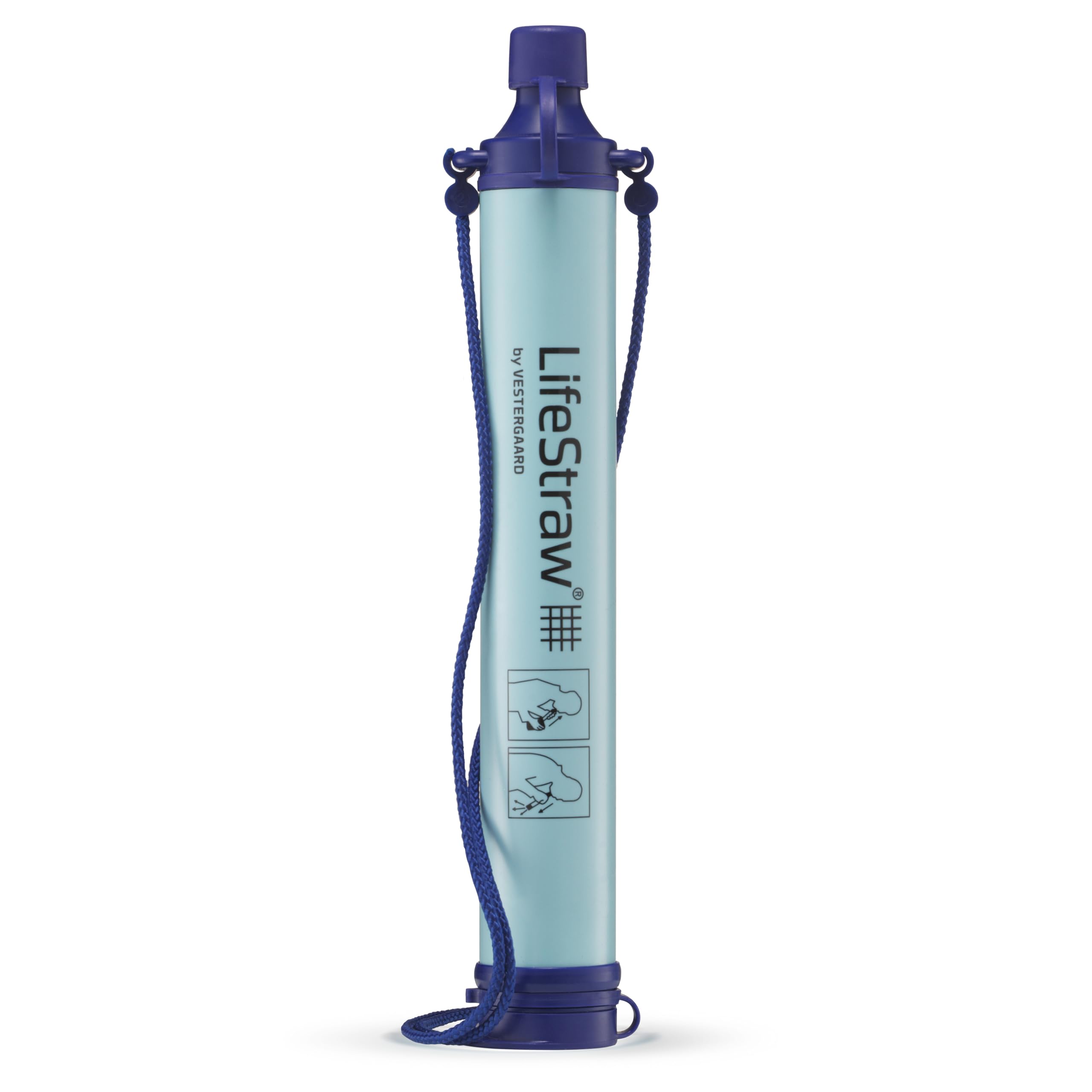
- Portable Filters: For on-the-go filtration, consider a portable filter like the /products/b006qf3tw4-lifestraw-personal-water-purifier-for-hiking-camping-travel/Amazon →. While primarily intended for outdoor use, they can provide peace of mind if you’re concerned about tap water quality when traveling or in public spaces.
Cost Example: Chicago
Chicago tap water is generally considered safe, but some residents prefer to filter it due to the taste and odor of chlorine. Using a water filter pitcher would add approximately $42 to the annual cost of tap water, bringing the total to around $43 per year. Still significantly cheaper than the $438 spent on bottled water.
Cost Example: Flint, Michigan
Flint, Michigan, unfortunately, experienced a major water crisis. While the city has made significant improvements, many residents still distrust the tap water. In this case, a more robust filtration system, such as an under-sink filter, might be necessary. This could add $100-$300 to the initial cost, plus $30-$60 per year for filter replacements. Even with this added expense, tap water remains far more economical than bottled water in the long run.
The Environmental Impact: Plastic vs. Planet
Beyond the financial cost, bottled water has a significant environmental impact. The production and transportation of plastic bottles require vast amounts of energy and resources. Millions of barrels of oil are used annually just to create the bottles. Worse, most plastic bottles end up in landfills or as litter, polluting our oceans and harming wildlife.
Switching to tap water drastically reduces your environmental footprint. Even factoring in the production of a reusable water bottle, the long-term impact is significantly lower than consistently purchasing bottled water. Consider using a durable, reusable water bottle – perhaps even one you already own – to minimize waste.
While we’re on the topic of refills, be sure to check out our hand soap refill pumps vs. new bottles unit price comparisonAmazon →.
Making the Switch: Tips for Enjoying Tap Water
Ready to ditch the bottled water habit? Here are a few tips to make the transition easier:
- Invest in a good water filter: Choose a filtration system that meets your needs and budget. Consider a pitcher filter, faucet filter, or under-sink filter.
- Use a reusable water bottle: Carry a reusable water bottle with you to stay hydrated on the go.
- Improve the taste: Add a slice of lemon, cucumber, or mint to your tap water to improve the taste.
- Chill your water: Cold water often tastes better than room-temperature water.
- Stay informed: Monitor your local water quality reports to stay informed about any potential contaminants.
- Consider a water quality test: If you’re concerned about the quality of your tap water, consider having it professionally tested.
- Advocate for better infrastructure: Support local initiatives to improve water infrastructure in your community.
By taking these steps, you can save money, reduce your environmental impact, and enjoy clean, refreshing water. The choice is clear: tap water is almost always the more cost-effective and environmentally friendly option. With a little planning and effort, you can easily break free from the bottled water habit and start saving today.
Featured in this article
Shop the picks mentioned above
We earn a small commission if you buy through these links, at no extra cost to you.