Bottled Water vs. Reusable: Calculate Your Break-Even Point

By Dana Wolff · Editor, RefillWatch
Published May 28, 2026
RefillWatch is reader-supported. When you buy through links on our site, we may earn an affiliate commission. This helps us keep our watchdog services free for everyone. We are independent and never accept retailer sponsorships.
The True Cost of Bottled Water: How Many Bottles Before a Reusable Saves You Money?
We all know that single-use plastic is a growing environmental problem. But beyond the ecological impact, there’s a financial one too. Retailers are increasingly banking on our convenience, making bottled water a seemingly easy, albeit expensive, choice. At RefillWatch, we’re here to help you see through the price creep and make informed decisions that benefit your wallet.
You might be surprised to learn just how quickly the cost of bottled water adds up. While a single bottle might seem like a small purchase, the cumulative effect over weeks, months, and years can be substantial. This article will break down the true cost of bottled water and provide you with a clear, actionable guide to determine the precise moment when investing in a reusable water bottle becomes the financially smarter choice. We’ll go beyond generic advice and give you the numbers so you can calculate your personal break-even point.
Understanding the True Cost of Bottled Water
The price of bottled water isn’t just the sticker price on the shelf. It’s a complex equation that includes the cost of the plastic bottle itself, the water, the purification process (if any), the packaging, transportation, marketing, and ultimately, the retailer’s profit margin. When you buy a case of bottled water, you’re paying for all of this, not just the water.
The Stealthy Price of Convenience
Let’s look at some common price points for bottled water to illustrate this. Prices can fluctuate based on brand, size, location, and retailer promotions, but we can establish some reliable averages.
- Single-Serve Bottles (e.g., 16.9 oz): Often purchased individually or in multi-packs. Prices can range from $0.50 to $2.00 per bottle, depending on the brand and where you buy it. For this calculation, let’s assume an average of $0.75 per bottle.
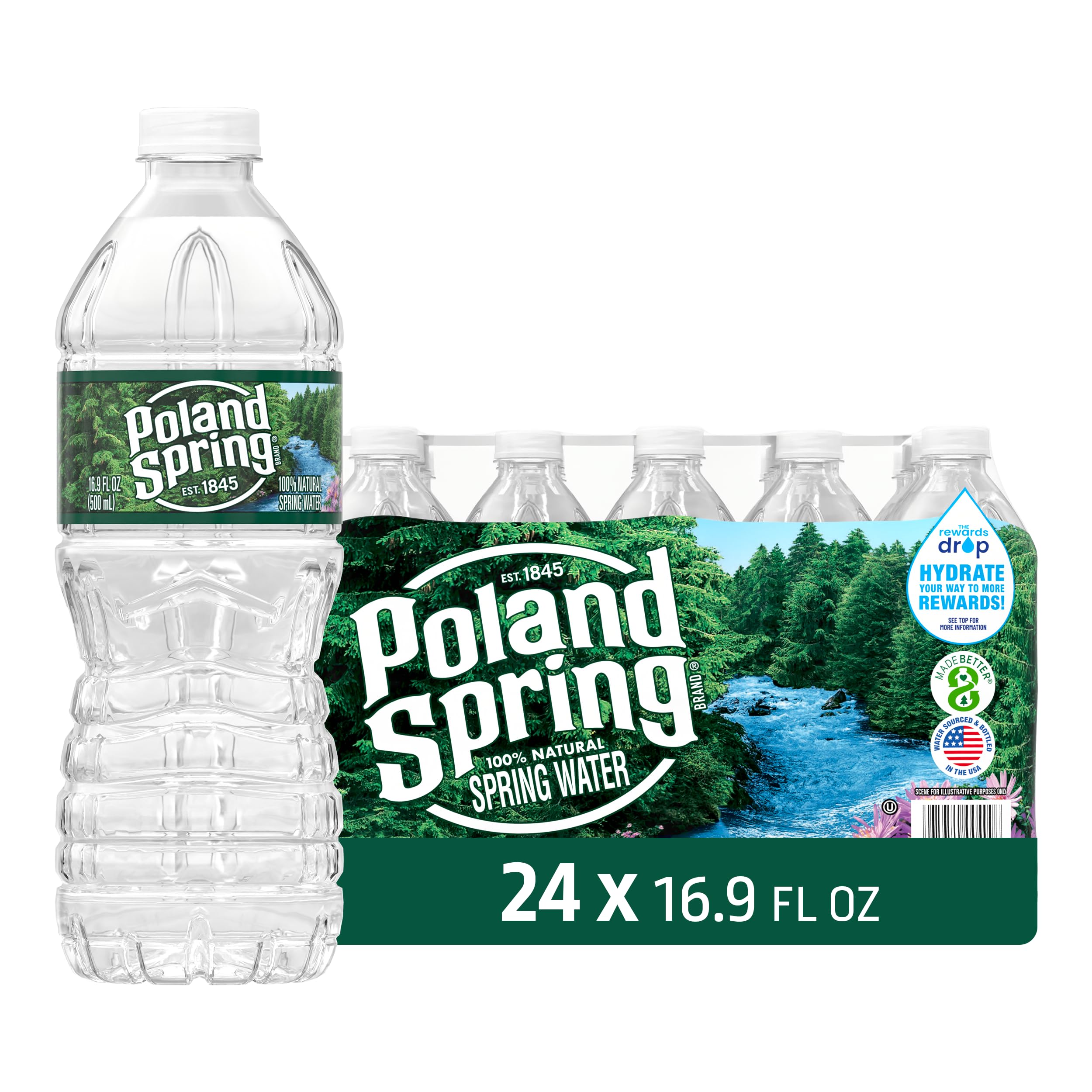
- Multi-Packs (e.g., 24-pack of 16.9 oz bottles): These are often more cost-effective per bottle. A 24-pack might cost anywhere from $4.00 to $10.00. Let’s use an average of $6.00 per 24-pack, which works out to $0.25 per bottle. /products/b00061capg-poland-spring-maine-spring-water-bottles-24-pack-crisp-still/Amazon →
- Large Gallon Jugs (e.g., 1 gallon): These are typically the cheapest per ounce for bottled water, often costing between $1.00 and $2.50. Let’s assume an average of $1.50 per gallon. /products/b000r2z682-crystal-geyser-alpine-spring-water-128-fl-oz/Amazon →
The “shrinkflation” and price hikes we track at RefillWatch can also impact bottled water. While less dramatic than some other categories, you might notice that the same pack of bottles now costs a few cents more than it did last year, or that the pack size has slightly decreased.
The Cost of a Reusable Bottle
The upfront cost of a reusable water bottle varies significantly based on material (stainless steel, glass, BPA-free plastic), brand, and features (insulation, filtration).
- Basic Reusable Bottle (e.g., BPA-free plastic, simple design): $10 - $20
- Insulated Stainless Steel Bottle: $20 - $40
- High-End/Filtered Reusable Bottle: $40 - $70+
For our calculation, let’s consider a mid-range, durable stainless steel reusable bottle with good insulation, costing $30.
Calculating Your Bottled Water Break-Even Point
The core of our analysis is to determine how many single-use bottles you need to consume before the total cost of buying them exceeds the initial investment in a reusable bottle. This is your break-even point.
To do this, we need to make some assumptions about your water consumption. Let’s use a common scenario: a person who drinks roughly 64 ounces (two 32-oz servings or four 16.9-oz bottles) of water per day.
Step-by-Step Calculation
We will calculate the total cost of buying bottled water over time and compare it to the cost of a reusable bottle.
Scenario 1: Buying Single-Serve Bottles (Average $0.75/bottle)
- Daily Cost: 4 bottles/day * $0.75/bottle = $3.00
- Weekly Cost: $3.00/day * 7 days/week = $21.00
- Monthly Cost: $21.00/week * 4 weeks/month = $84.00 (approximately)
- Annual Cost: $84.00/month * 12 months/year = $1008.00
Break-Even Calculation for Scenario 1:
- Reusable Bottle Cost: $30
- Cost Per Bottle (Bottled Water): $0.75
- Number of Bottles to Break Even: Reusable Bottle Cost / Cost Per Bottle
- $30 / $0.75 = 40 bottles
In this scenario, after purchasing just 40 single-serve bottles, the money spent would equal the cost of a $30 reusable bottle. If you drink two 16.9 oz bottles a day, you’d hit this break-even point in just 20 days!
Scenario 2: Buying 24-Packs (Average $0.25/bottle)
- Daily Consumption: 4 bottles (if they are 16.9 oz)
- Daily Cost: 4 bottles/day * $0.25/bottle = $1.00
- Weekly Cost: $1.00/day * 7 days/week = $7.00
- Monthly Cost: $7.00/week * 4 weeks/month = $28.00 (approximately)
- Annual Cost: $28.00/month * 12 months/year = $336.00
Break-Even Calculation for Scenario 2:
- Reusable Bottle Cost: $30
- Cost Per Bottle (Bottled Water): $0.25
- Number of Bottles to Break Even: Reusable Bottle Cost / Cost Per Bottle
- $30 / $0.25 = 120 bottles
Even when buying in bulk, you’ll reach the break-even point for a $30 reusable bottle after purchasing 120 bottles. If you’re consuming four 16.9 oz bottles daily, this would take approximately 30 days.
Scenario 3: Buying Gallon Jugs (Average $1.50/gallon)
- Daily Consumption: 0.5 gallons (64 oz / 128 oz per gallon)
- Daily Cost: 0.5 gallons/day * $1.50/gallon = $0.75
- Weekly Cost: $0.75/day * 7 days/week = $5.25
- Monthly Cost: $5.25/week * 4 weeks/month = $21.00 (approximately)
- Annual Cost: $21.00/month * 12 months/year = $252.00
Break-Even Calculation for Scenario 3:
- Reusable Bottle Cost: $30
- Cost Per Gallon (Bottled Water): $1.50
- Gallons to Break Even: Reusable Bottle Cost / Cost Per Gallon
- $30 / $1.50 = 20 gallons
If you consume a gallon of bottled water every two days, you’ll break even on a $30 reusable bottle after just 20 gallons, which is about 40 days of consumption.
Interactive Break-Even Calculator
To make this even easier, use the following simple calculator. Enter your typical daily water consumption in ounces, your average cost per 16.9 oz bottled water, and the price of your desired reusable bottle.
| Your Daily Water Consumption (oz) | Average Cost Per 16.9 oz Bottle ($) | Your Reusable Bottle Cost ($) |
|---|---|---|
Calculation:
- Bottles per day:
[Your Daily Water Consumption] / 16.9 - Bottles to break even:
[Your Reusable Bottle Cost] / [Average Cost Per 16.9 oz Bottle] - Days to break even:
[Bottles to break even] / [Bottles per day]
(Note: This calculator provides an estimate. Adjust the numbers based on your actual purchasing habits and local prices.)
Beyond the Break-Even: Long-Term Savings and Added Benefits
Once you’ve passed the break-even point, the savings with a reusable bottle become significant. Let’s revisit our scenarios:
- Scenario 1 (Single-Serve): After 40 bottles, you’ve spent $30. From bottle #41 onwards, every bottle you don’t buy is pure savings. If you continue drinking 4 bottles a day, you’d save approximately $978 in the first year alone ($1008 total bottled water cost - $30 reusable bottle cost).
- Scenario 2 (24-Packs): After 120 bottles, you’ve spent $30. Continuing to drink 4 bottles a day, you’d save around $306 in the first year ($336 total bottled water cost - $30 reusable bottle cost).
- Scenario 3 (Gallon Jugs): After 20 gallons, you’ve spent $30. If you continue drinking 0.5 gallons daily, you’d save about $222 in the first year ($252 total bottled water cost - $30 reusable bottle cost).
These are just first-year savings. The longer you use your reusable bottle, the more you save. A durable stainless steel bottle can last for years, potentially saving you hundreds or even thousands of dollars over its lifespan.
The Environmental Dividend
While our focus here is financial, it’s impossible to ignore the environmental benefits. By switching to a reusable bottle, you drastically reduce your plastic waste. The production of single-use plastic bottles consumes vast amounts of energy and resources, and they contribute significantly to landfill waste and ocean pollution. Choosing reusable is a win for your wallet and a win for the planet.
Health and Quality Considerations
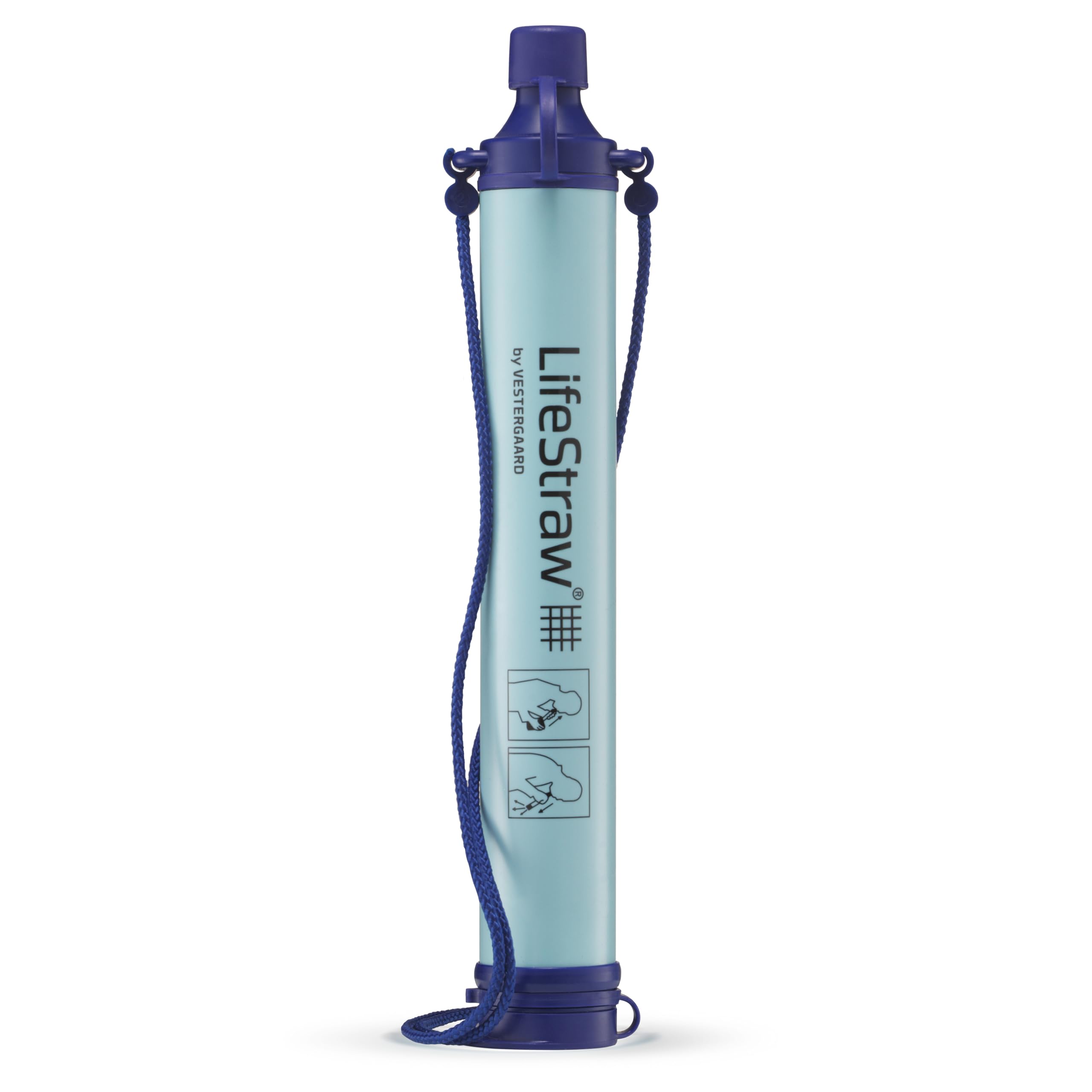
Many reusable bottles are made from materials like stainless steel or glass, which are inert and don’t leach chemicals into your water. While many bottled water brands are safe, concerns about microplastics in bottled water are growing. With a reusable bottle, you control what goes in it – whether it’s filtered tap water, infused water, or even electrolyte drinks. For those concerned about tap water quality, options like the Lifestraw Personal Water Purifier /products/b006qf3tw4-lifestraw-personal-water-purifier-for-hiking-camping-travel/Amazon → can offer peace of mind and long-term cost savings compared to constantly buying bottled water.
Making the Smart Switch: Tips for Choosing and Using Your Reusable Bottle
The initial investment in a reusable bottle is a small price to pay for long-term savings and environmental responsibility. Here’s how to make the switch seamless:
-
Assess Your Needs:
- Portability: Will you be carrying it around all day? Consider lightweight options.
- Insulation: Do you want cold water for hours, or is room temperature fine? Insulated bottles are great for this.
- Durability: For active lifestyles, a rugged stainless steel bottle is ideal.
- Ease of Cleaning: Look for wide-mouth openings that are easy to clean.
-
Consider the Source:
- Tap Water: In most developed areas, tap water is safe and significantly cheaper than bottled. Use a water filter if you have concerns.
- Filtered Water: Many homes and offices have water filters that provide clean, great-tasting water.
- Water Coolers/Dispensers: These can be a convenient way to refill larger reusable bottles.
-
Establish a Routine:
- Keep it Visible: Leave your reusable bottle on your desk, by the door, or in your bag so you don’t forget it.
- Clean Regularly: Wash your bottle daily or every few days with soap and water to prevent odors and bacteria.
- Refill Often: Make refilling your bottle a habit throughout the day.
By understanding the true cost of bottled water and calculating your personal break-even point, you can make a financially sound decision that also benefits the environment. At RefillWatch, we’re dedicated to helping you spot price creep and find smarter, more sustainable alternatives. The switch to a reusable water bottle is one of the easiest and most impactful steps you can take.
Featured in this article
Shop the picks mentioned above
We earn a small commission if you buy through these links, at no extra cost to you.