How to Calculate the Real Cost of Bottled Water Delivery

By Dana Wolff · Editor, RefillWatch
Published May 28, 2026
RefillWatch is reader-supported. When you buy through links on our site, we may earn an affiliate commission, at no cost to you. We independently research, review, and compare products so you can make smarter buying decisions.
How to Calculate the Real Cost of Bottled Water Delivery
Bottled water delivery seems like a simple convenience: a regular supply of purified water showing up at your doorstep. But beneath the surface of that convenience lies a complex pricing structure that includes more than just the per-bottle cost. Hidden fees, rental agreements, and fluctuating consumption habits can drastically inflate what you think you’re paying for water.
This article breaks down the true cost of bottled water delivery, providing a framework for you to assess if it’s genuinely the most economical and environmentally sound option for your household. We’ll cover everything from equipment rentals and delivery charges to the less obvious costs associated with storage and potential waste. By the end, you’ll be equipped to make an informed decision and potentially discover cheaper, more sustainable alternatives.
Decoding the Bottled Water Delivery Price Structure
The allure of bottled water delivery often stems from the perceived simplicity of the pricing. However, a closer examination reveals a more intricate system. Here’s a breakdown of the common cost elements you’ll encounter:
Initial Costs: Equipment & Setup Fees
Many bottled water delivery services require you to rent a water cooler. These rental fees can range from $5 to $20 per month, adding a significant fixed cost regardless of how much water you consume. Some companies might waive the rental fee if you commit to a certain minimum purchase volume, but this can pressure you to overconsume or waste water.
Beyond the cooler rental, some services charge a one-time setup fee. This covers the initial delivery and installation of the cooler. While sometimes waived as part of a promotional offer, it’s crucial to factor it into your overall cost calculation.
Recurring Costs: Water, Delivery, and Surcharges
The most obvious recurring cost is the price of the water itself. Prices vary significantly depending on the brand, the size of the bottles (typically 3 or 5 gallons), and the frequency of delivery. Expect to pay anywhere from $6 to $12 per bottle.
Delivery charges are another common recurring expense. Some companies offer free delivery if you meet a minimum order threshold, while others charge a flat fee per delivery, regardless of the order size. These fees can range from $5 to $15 per delivery.
Keep an eye out for potential surcharges. These might include fuel surcharges (particularly sensitive to fluctuating gas prices) or environmental fees. Some companies also charge extra for deliveries to certain areas or for specific delivery time slots.
Hidden Costs: Deposits, Contracts, and Waste
Many bottled water delivery services require a deposit on the water bottles themselves. This is to ensure the bottles are returned for refilling. While the deposit is typically refundable, it’s still an upfront cost to consider.
Pay close attention to the contract terms. Some companies require you to commit to a minimum contract length (e.g., six months or a year). Breaking the contract early can result in penalties or cancellation fees.
Finally, consider the cost of waste. Partially empty bottles can sit around, eventually leading to wasted water if you don’t consume it before it goes stale. And even with bottle recycling programs, the transportation and processing of those bottles incurs environmental and economic costs.
Calculating Your True Cost Per Gallon
To accurately assess the bottled water delivery price, you need to calculate your true cost per gallon. This involves factoring in all the costs mentioned above over a specific period (e.g., a month or a year). Here’s a step-by-step guide:
- Calculate Total Monthly Fixed Costs: Add up the monthly cooler rental fee (if applicable) and any other fixed monthly charges.
- Calculate Total Monthly Water Costs: Multiply the price per bottle by the number of bottles you consume in a month.
- Calculate Total Monthly Delivery Costs: Add up any delivery fees and surcharges you incur in a month.
- Calculate Total Monthly Costs: Add the fixed costs, water costs, and delivery costs together.
- Calculate Total Gallons Consumed: Multiply the number of bottles consumed by the number of gallons per bottle (usually 3 or 5).
- Calculate Cost Per Gallon: Divide the total monthly costs by the total gallons consumed.
Example:
-
Cooler Rental: $10/month
-
Water Price: $8/bottle
-
Bottles Consumed: 4/month (5 gallons each)
-
Delivery Fee: $5/month
-
Total Monthly Fixed Costs: $10
-
Total Monthly Water Costs: $8 x 4 = $32
-
Total Monthly Delivery Costs: $5
-
Total Monthly Costs: $10 + $32 + $5 = $47
-
Total Gallons Consumed: 4 bottles x 5 gallons/bottle = 20 gallons
-
Cost Per Gallon: $47 / 20 gallons = $2.35/gallon
This simple calculation shows that what seems like an $8/bottle expense actually translates to $2.35 per gallon when factoring in all the associated costs.
Alternatives to Bottled Water Delivery: Cost & Convenience Comparison
Once you know your true cost per gallon for bottled water delivery, you can compare it to alternative options. Here are a few to consider:
Filtered Water Pitchers and Dispensers
Filtered water pitchers, like Brita or PUR, offer a convenient and cost-effective alternative. The initial investment is relatively low (around $20-$40 for a pitcher), and the replacement filters typically cost $5-$10 each. A single filter can purify around 40 gallons of water. This makes the cost per gallon significantly lower than bottled water delivery, often less than $0.25 per gallon. While you need to refill the pitcher manually, it eliminates the need for bulky bottles and scheduled deliveries. You can also consider larger filtered water dispensers for even greater convenience.
Faucet-Mounted Water Filters
Faucet-mounted water filters attach directly to your kitchen faucet, providing on-demand filtered water. They offer a higher flow rate than pitchers and typically have a longer filter lifespan. The initial cost is slightly higher (around $30-$60), but the cost per gallon remains very competitive, usually under $0.20. Installation is generally straightforward, and they take up minimal counter space.
Whole-House Water Filtration Systems
For those seeking the ultimate in water purity and convenience, a whole-house water filtration system filters all the water entering your home. This eliminates the need for individual filters in your kitchen and bathrooms. However, the initial investment is considerably higher, ranging from several hundred to several thousand dollars, depending on the system’s complexity. Maintenance costs, including filter replacements, also need to be factored in. While the upfront cost is significant, the long-term cost per gallon can be lower than bottled water delivery, especially for households with high water consumption.
Refillable Water Bottles + Tap Water: The Most Sustainable Option
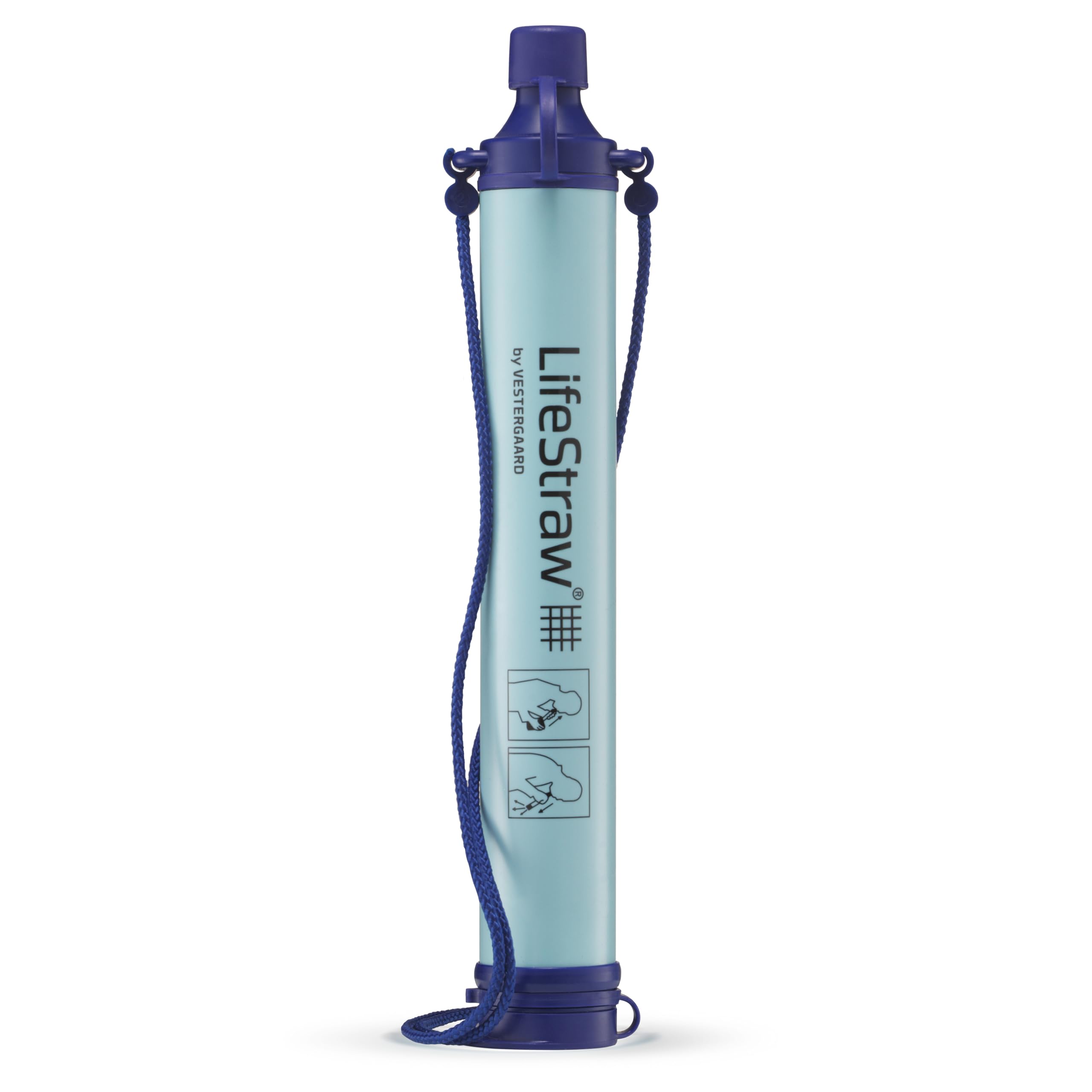
Don’t underestimate the power of a good reusable water bottle and your tap. Paired with a simple LifeStraw Personal Water Purifier for Hiking, Camping, TravelAmazon →, you can ensure safe drinking water wherever you go. This eliminates plastic waste entirely and relies on existing infrastructure. Municipal water is heavily regulated and often of good quality. Even factoring in the cost of a high-quality reusable bottle ([/products/b00lzsj642-gatorade-32-oz-squeeze-water-sports-bottle-pack-of-2-new-eas/]), the savings are massive compared to bottled water – not to mention the environmental benefits.
Making the Right Choice for Your Needs
Ultimately, the best water solution depends on your individual needs and priorities. If convenience is paramount and you’re willing to pay a premium, bottled water delivery might be a viable option. However, by carefully calculating the true cost per gallon and comparing it to alternative solutions, you can make a more informed decision that aligns with your budget and environmental values. Don’t forget to factor in the convenience of grabbing a Crystal Geyser Alpine Spring WaterAmazon → jug at the store for quick refills if you choose a pitcher or faucet filter. Consider your consumption habits, space constraints, and commitment to sustainability to determine the most suitable and cost-effective water solution for your household.
Featured in this article
Shop the picks mentioned above
We earn a small commission if you buy through these links, at no extra cost to you.