
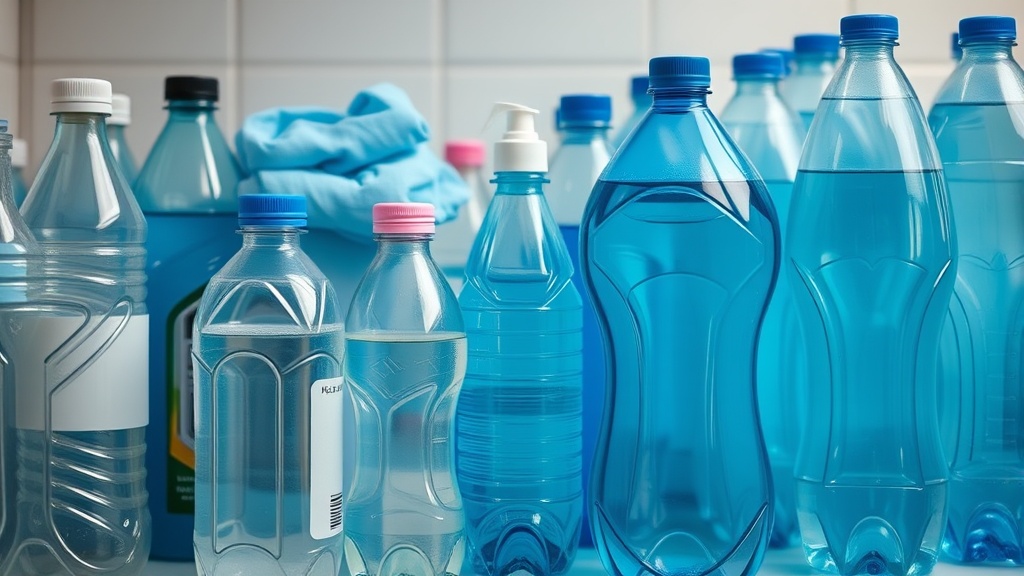
Introduction
You’re spending $365 a year on disposable water bottles—probably without noticing. A dollar here, a dollar there, in convenience stores, at checkout lanes, vending machines. That’s the creep RefillWatch watches for.
Reusable water bottles solve the math problem: a $40 bottle pays for itself in under 45 days if you were buying one disposable bottle daily. After that, it’s pure savings. And there are options for every budget, material preference, and lifestyle—stainless steel tanks, lightweight plastics, insulated options, and bare-bones choices for the budget-conscious.
This guide compares four top-selling reusable bottles, breaks down the real cost savings, and points you to refill alternatives that cut expenses even further.
Why this matters
The cost creep on bottled water is real. The average American spends over $100 annually on bottled water, with many households running closer to $400–$500 when you add gym bottles, road trip purchases, and workplace vending machines. Globally, billions of plastic bottles end up in landfills or oceans annually.
The health angle matters too. Many single-use plastic bottles contain BPA or other compounds that can leach into water, especially when exposed to heat or left in cars. Reusable bottles made from stainless steel, borosilicate glass, or certified BPA-free plastics eliminate that risk entirely.
The environmental burden is invisible but massive. Only about 9% of all plastic ever produced has been recycled; the rest sits in landfills or pollutes waterways. By switching to one reusable bottle, you personally eliminate roughly 200 disposable bottles from that pipeline per year.
For RefillWatch readers—folks who notice when subscriptions quietly double or track grocery shrinkflation—reusable bottles are a measurable win: the savings are quantifiable, the payoff is fast, and you control the math.
Head-to-head comparison
Here’s how the four most popular options stack up:
| Feature | Hydro Flask | CamelBak Chute | Klean Kanteen | Nalgene |
|---|---|---|---|---|
| Material | Stainless Steel | Tritan Plastic (BPA-free) | Stainless Steel | Tritan Plastic (BPA-free) |
| Capacity | 32 oz | 32 oz | 27 oz | 32 oz |
| Insulation | Double-wall (24 hrs cold / 12 hrs hot) | None | None | None |
| Weight | ~20 oz | ~7 oz | ~9 oz | ~6 oz |
| Price (typical) | $40 | $25 | $30 | $15 |
| Warranty | Lifetime (defects) | 1 year | Lifetime | 1 year |
Hydro Flask
Best for: Outdoor use, hot and cold retention, durability.
The Hydro Flask is the insulation leader. Its double-wall stainless steel keeps ice cold for up to 24 hours and hot liquids hot for 12 hours, making it the choice for hikers, commuters in cold climates, and anyone who leaves water in a car for hours. The stainless steel also resists dents and damage better than plastic. Trade-off: it’s the heaviest and most expensive option. Lifetime warranty on manufacturing defects adds value.
See also: The Best Reusable Water Bottles to Save Money and the Planet
CamelBak Chute
Phone cases · 15% off first order
Galaxy Case Co.Built for Galaxy. Ready for impact. Code FIRST15GALBest for: Gym bags, daily commutes, lightweight carry.
The CamelBak Chute is engineered for convenience. Its spill-proof cap, lightweight Tritan construction (BPA-free), and easy-clean design make it ideal for people who carry bottles in backpacks or briefcases. It won’t keep water cold longer than 4–6 hours without ice, but for office workers, gym-goers, and everyday hydration, that’s fine. The trade-off is no insulation and a shorter warranty (1 year).
Klean Kanteen
Best for: Balanced durability, eco-conscious buyers, moderate use.
Klean Kanteen offers middle-ground pricing and materials. Its stainless steel body is more durable than plastic, lighter than Hydro Flask, and the company focuses on sustainability. Single-wall insulation means it won’t preserve temperature as long as Hydro Flask but longer than plastic bottles. Lifetime warranty matches Hydro Flask. Good choice if you want durability without paying for premium insulation.
Nalgene
Phone cases · 15% off first order
Phone Case GiftFun finds for every vibe. Code FIRST15GIFTBest for: Budget buyers, simple needs, light use.
Nalgene’s Tritan plastic bottles are the entry point to reusables. At $15, a Nalgene pays for itself in about two weeks of avoided disposable purchases. It’s lightweight, nearly indestructible (drop-proof), and widely available. The trade-off: no insulation and no temperature retention. If you refill frequently or don’t need cold water to stay cold, it’s the smartest buy per dollar.
Real-world savings math
Let’s calculate what you actually save.
Scenario: One disposable water bottle daily
- Cost per bottle: $1.00
- Annual spend: $365
- 5-year spend: $1,825
Switch to Hydro Flask ($40 upfront)
- Bottle cost: $40
- Annual maintenance/replacement: $0 (with care, lasts 10+ years)
- 5-year spend: $40
- 5-year savings: $1,785
- Cost per day: $0.022
Switch to Nalgene ($15 upfront)
- Bottle cost: $15
- 5-year spend: $15
- 5-year savings: $1,810
- Cost per day: $0.008
Even with replacement: If your Nalgene cracks after 3 years and you buy a new one for $15, your total 5-year cost is $30—still $1,795 in savings.
Why this compounds
If you’re part of a household of four, the savings multiply:
- Family of 4, one bottle per person: $7,140 saved over 5 years (vs. $7,300 on disposables)
- Small office of 10 people: $17,850 saved over 5 years
For RefillWatch readers tracking grocery creep, this is a rare category where prices have stayed flat while disposable costs keep climbing.
Alternatives and refill strategies
If even a $15 reusable bottle feels like an upfront cost, here are other ways to dodge the disposable trap:
Free and low-cost refill stations
Phone cases · 15% off first order
Phone Cases For AllCases that match your energy. Code FIRST15ALL- Grocery stores (Whole Foods, Kroger, Trader Joe’s): Many now offer filtered water refill stations, free or ~$0.25/gallon.
- Gyms and workplaces: Often have water coolers or bottle-fill stations at no charge.
- Public fountains: Most parks and public buildings have drinking fountains; a collapsible bottle (~$5) fits any bag.
- Libraries and community centers: Increasingly offer refill stations.
Bulk water delivery
For households that consume significant volumes, bulk water delivery services are competitive:
- Primo Water (and similar services) deliver large refillable jugs (~5 gallons each) to your home. Cost: typically $6–$8 per jug exchange. If a household drinks 10 gallons/week, that’s ~$40/month vs. $100+ on individual bottles.
- You buy the initial jug once (~$15), then swap empties.
DIY filtering
If tap water quality is a concern (or just tastes off), a Brita pitcher ($25) or faucet-mounted filter ($35) removes chlorine and improves taste. Cost per gallon drops to cents—far cheaper than bottled.
FAQ
How often should I clean my reusable water bottle?
Daily, with warm soapy water. If you leave it for more than 12 hours without cleaning, bacteria can develop, especially in warm climates. For insulated bottles (like Hydro Flask), hand-wash rather than dishwasher to protect the seal.
Are all reusable bottles dishwasher safe?
Most Tritan plastic and stainless steel bottles are dishwasher safe, but check the manufacturer’s label first. Insulated bottles with rubber seals often aren’t—high heat can damage seals. Top-rack placement is safer than bottom-rack.
How long does a reusable water bottle actually last?
With normal care: 5–10 years easily. Stainless steel bottles (Hydro Flask, Klean Kanteen) last longer than plastic. Damage usually comes from dropped caps or bent spouts, not the bottle itself. Most manufacturers offer lifetime warranties on defects.
Are plastic reusable bottles (Tritan, Nalgene) safe?
Yes. Tritan is BPA-free and certified by third parties. It’s chemically stable and won’t leach. Stainless steel is also fully safe. Avoid very cheap plastic bottles from unknown brands (they may not have safety certifications).
Can I use my bottle for hot water?
It depends. Insulated bottles like Hydro Flask handle both. Single-wall plastic bottles (Nalgene, CamelBak) can handle warm water but not boiling water (may warp the cap). Always check the label before using hot liquids.
What if my bottle gets smelly or moldy?
Soak it overnight in a mixture of equal parts white vinegar and water. Use a bottle brush to scrub the inside. For insulated bottles with hard-to-reach interiors, fill with the vinegar mix and let sit. Rinse thoroughly before use. Dry upside-down to prevent moisture buildup.
Bottom line
For outdoor enthusiasts and commuters who need cold water for hours: Buy the Hydro Flask. Its insulation justifies the $40 cost, and the lifetime warranty makes it a long-term investment.
For gym-goers and everyday use: The CamelBak Chute ($25) is lightweight, durable, and cleans easily.
For balanced durability and eco-conscious buyers: The Klean Kanteen ($30) splits the difference between cost and construction quality.
For strict budget: The Nalgene ($15) pays for itself in two weeks and works for anyone who refills frequently.
The real math is this: One reusable bottle—regardless of which—eliminates roughly 200 disposable bottles from your yearly consumption and saves $300–$400 annually. Over a household’s lifetime, that’s thousands in savings and thousands of pounds of plastic diverted from landfills.
If you’re already watching for shrinkflation in your grocery cart, this one is a no-brainer. Pick a bottle that fits your life, fill it at home or a refill station, and stop funding the convenience-store markup.
Top Picks



Watchdog picks
- B08FY8XQ3WCheck on Amazon → ·
- B00FFJ0R1QCheck on Amazon → ·
- Backcountry Iron 12 Inch Round Large Pre-Seasoned Cast Iron SkilletCheck on Amazon → ·
- B00CAZAU62Check on Amazon → ·
- B07F97MPYTCheck on Amazon → ·
- E-Z Ink Remanufactured Ink Cartridge Replacement for 252XL Combo Pack for Epson Check on Amazon → ·
- ecodot 552 Pigment Ink Refill Ink Bottle Replacement for Epson 552 Ink Used for Check on Amazon → ·
- VEOZAH 45 MG TABCheck on Amazon → ·
Products in this guide
- Dawn Ultra Dish Soap, Original Scent, 75 fl oz (2-Pack)Check on Amazon →
- Folgers Classic Roast Ground Coffee, 48 OzCheck on Amazon →
- Under Armour Women’s UA Charged Assert 8 Running Shoes 12 BlackCheck on Amazon →
- ecodot 552 Pigment Ink Refill Ink Bottle Replacement for Epson 552 Ink Used for EcoTank Photo ET-8500, ET-8550 Printer (1 Photo Black, 1 Black, 1 Cyan, 1 Magenta, 1 Yellow, 1 Grey, 6-Pack)Check on Amazon →