
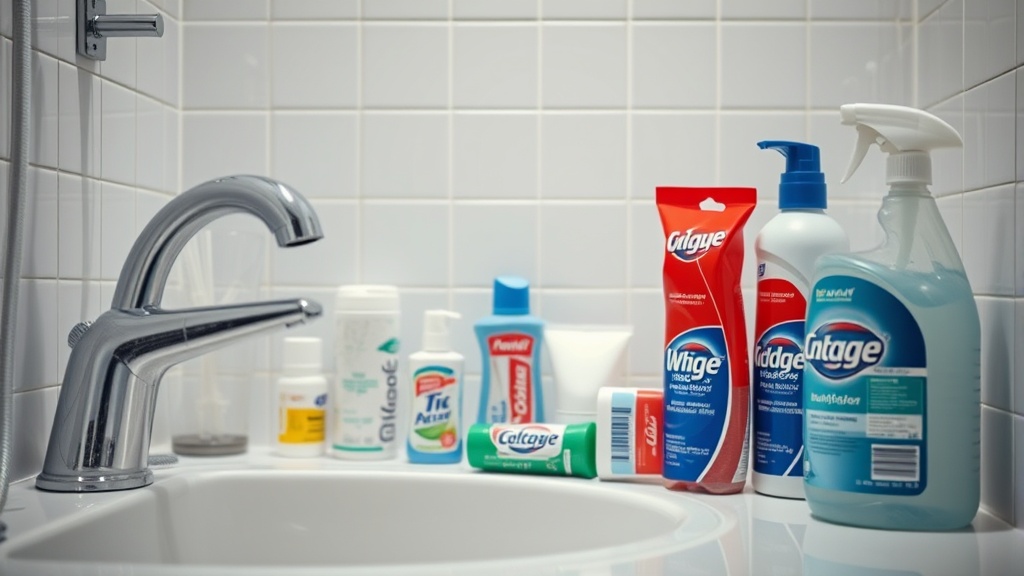
Refillable toothpaste tablets have surged as a practical solution for travelers and eco-conscious households aiming to cut down plastic waste. If you’re tired of lugging heavy tubes or tossing single-use plastics, these compact, solid alternatives offer a convenient and cleaner oral care routine. But with so many options available, how do you find the best refillable toothpaste tablets that actually reduce plastic waste without upending your brushing habits? This guide breaks down the key factors to consider, compares popular types of refill systems, and offers actionable advice for making the switch sustainable and effective.
What Are Refillable Toothpaste Tablets?
Refillable toothpaste tablets are solid, chewable oral care products designed to replace traditional toothpaste tubes. Unlike standard single-use toothpaste tablets or powders, refillable options come in reusable containers designed to be refilled with tablets usually sold in compostable or minimal packaging. They’re formulated to be concentrated, dry, and mess-free, often requiring no additional water or complex ingredient dissolving during use.
This means you can carry a small reusable jar or container on travels or for everyday use and purchase refills in bulk or compatible third-party packaging. The packaging reduction is often the key selling point, as it bypasses the plastic tube’s rigid structure and excess material.
See also: Best Refillable Toothbrushes for Plastic Reduction Goals
How Do Refillable Toothpaste Tablets Work?
Phone cases · 15% off first order
Galaxy Case Co.Built for Galaxy. Ready for impact. Code FIRST15GAL-
Concentration and Formulation: Toothpaste tablets contain highly concentrated ingredients like fluoride, abrasives, natural flavorings, and cleaning agents compressed into a solid form. You usually chew one or two tablets to produce a toothpaste-like paste in your mouth.
-
Refill Systems: The refillability comes in when manufacturers package these tablets in bulk or reusable containers. Some brands offer proprietary refill pouches or cartridges that fit neatly inside a durable jar or plastic container designed for many refill cycles.
-
Usage Process: You simply pop the tablet(s) into your mouth, chew them until they begin to dissolve with your saliva, and brush as you normally would with a standard toothbrush. Most advise not rinsing immediately to allow fluoride absorption.
-
Waste Reduction: By refilling the same container, you eliminate single-use plastic tubes for toothpaste. When refilling through biodegradable or compostable tablet packaging, the overall plastic waste is drastically reduced.
When to Use Refillable Toothpaste Tablets
- Travel: TSA regulations allow solid toothpaste tablets in carry-ons without the 3.4 oz liquid limit, and the solid form reduces leaks and spills.
- Plastic Reduction: Households committed to zero-waste or plastic-free living benefit by minimizing daily plastic waste from toothpaste tubes.
- Minimalism and Convenience: These tablets simplify oral hygiene packing and storage, reducing clutter from tubes and lids.
- Sensitive Ingredients: Refillable tablets often use simplified, transparent ingredient lists appealing to those prioritizing natural formulations or specific oral care needs.
Best Refillable Toothpaste Tablet Systems: Comparison Table
Phone cases · 15% off first order
Phone Case GiftFun finds for every vibe. Code FIRST15GIFT| Feature | Brand-name Cartridge System | Third-party Refill Pouch | Bulk Refill Jar w/ Loose Tablets | Compostable Bag with Refill Capsule |
|---|---|---|---|---|
| Refill Method | Proprietary plastic cartridge fits container | Standalone pouch of tablets | Bulk tablets poured into reusable jar | Single-use capsule dropped into jar |
| Typical Plastic Use | Moderate (cartridge is plastic) | Minimal (single-use pouch plastic) | Low (jar reused multiple times) | Very low (capsule usually biodegradable) |
| Cost per Tablet | Higher due to premium packaging | Moderate, sometimes cheaper | Lowest (bulk purchase discounts) | Moderate |
| Ingredient Transparency | Varies by brand | Often better with indie brands | High (user controls brand and amount) | Moderate to High |
| Travel Friendly | Good (compact cartridges) | Good (lightweight pouches) | Moderate (jar can be bulky) | Excellent (small capsule packs) |
| Plastic Waste Savings | Moderate (reuses container but cartridge discarded) | High (less plastic overall) | Very High (reusable jar with minimal plastic) | Very High (biodegradable capsule minimizes waste) |
| Ease of Use | Simple cartridge swaps | Easy (pour tablets) | Slightly more labor (pour tablets, clean jar) | Very easy (drop capsule in jar) |
Key Considerations When Choosing Your Refillable Toothpaste Tablets
1. Concentration Ratio and Ingredients
Look for tablets with good active ingredient concentration — fluoride is key for cavity protection. Tablets vary in fluoride percentage and active agents; some rely on baking soda and natural abrasives, which are gentler but less protective. Ingredient transparency is vital: many refill brand systems provide detailed labels online or on packaging. Avoid tablets with unnecessary fillers, harsh abrasives, or opaque formulations if you prioritize oral health.
2. Refill Packaging and Waste Trade-offs
Not all refill options are equal. Some so-called refill cartridges or pods still use single-use plastics and don’t offer significant waste reduction, merely shifting plastic from tubes to cartridges. Third-party refills in biodegradable or compostable packaging paired with reusable jars provide the most credible plastic waste savings. Always check if the refill packaging is recyclable or compostable and the durability of the reusable container.
3. Cost Comparison: Refill vs. Traditional Toothpaste
Over time, toothpaste tablets can be cost-effective, especially if purchased in bulk. For cost math:
- A standard toothpaste tube contains about 100ml or roughly 200 brushing doses.
- One toothpaste tablet usually equals one brushing dose.
- Bulk tablet refills can cost as little as half or even a third of what brand-name toothpaste tubes cost per brush.
- Factor in the initial cost of the reusable jar or cartridge system.
If your refill packaging is premium and proprietary (such as brand-specific cartridges), your costs will rise and reduce eco-benefits compared to bulk refills.
4. Travel Practicality and Convenience
You’ll want a format that seals well and fits your packing habits. Some travelers prefer compact cartridge systems that snap closed, while others appreciate bulk refill jars for home use with a small travel container for trips. Tablets that dissolve quickly without extra water are best for on-the-go brushing.
Common Pitfalls to Watch Out For
Phone cases · 15% off first order
Phone Cases For AllCases that match your energy. Code FIRST15ALL- Incompatibility: Not all refills fit all containers; double-check cartridge and jar compatibility if mixing third-party products.
- Fake ‘Refillable’ Claims: Some brands market ‘refillable’ but sell single-use plastic pods or mini tubes as refills — these hardly reduce plastic waste.
- Ingredient Sensitivity: Tablets without fluoride or with added harsh abrasives may not meet everyone’s dental needs.
- Taste and Texture Adaptation: Some users dislike tablet flavors or find them less foamy than traditional toothpaste; try sample sizes first.
Making the Switch: Step-by-Step Guide
- Select a Refillable Container System: Choose one with solid reviews on durability and fit for your refill preferences.
- Choose Tablet Brand and Formula: Focus on fluoride presence and ingredient transparency for your oral health needs.
- Buy Bulk Refills or Compatible Packages: Opt for compostable or recyclable packaging whenever possible.
- Refill and Use Properly: Follow instructions on tablet quantity per brushing; chew until paste forms before brushing.
- Travel Smart: Transfer a small number of tablets into a travel container or use cartridges designed for secure sealing.
- Recycle or Compost Packaging: Properly dispose of or recycle refill packaging to close the loop on waste.
Top Picks

Watchdog picks
- Field Company Small Cast Iron Skillet – 8.38-Inch Pre-Seasoned Pan for 1–2 ServiCheck on Amazon → ·
- Stargazer 10.5-Inch Cast Iron Skillet - Made in USA, Seasoned, Premium Frying PaCheck on Amazon → ·
- Cuisinel Cast Iron Skillet with Lid - 12”-inch Pre-Seasoned Covered Frying Pan Check on Amazon → ·
- Astra Platinum Double Edge Safety Razor Blades,100 Blades (20 x 5)Check on Amazon → ·
- B00063RWT8Check on Amazon → ·
- ecodot 552 Pigment Ink Refill Ink Bottle Replacement for Epson 552 Ink Used for Check on Amazon → ·
- Lodge Seasoned Cast Iron Skillet 6.5 Inches - PFAS-Free, Non-Toxic Cookware - UsCheck on Amazon → ·
- B01N4NLZJNCheck on Amazon → ·
Products in this guide
- Dawn Ultra Dish Soap, Original Scent, 75 fl oz (2-Pack)Check on Amazon →
- Folgers Classic Roast Ground Coffee, 48 OzCheck on Amazon →
- Cuisinel Cast Iron Skillet with Lid - 12”-inch Pre-Seasoned Covered Frying Pan Set + Silicone Handle & Lid Holders + Scraper/Cleaner - Indoor/Outdoor, Oven, Stovetop, Camping Fire, Grill Safe CookwareCheck on Amazon →
- Soldering Kit, 60W Soldering Iron, 110V Welding Kit with Ceramic Heater, Portable Solder Irons with 5pcs Extra Tips, Stand, Solder Tube, Sponge, for Electronic RepairCheck on Amazon →