
Best Refillable Shampoo Bars Compared to Liquid Refills
If you’re trying to reduce single-use plastic waste in your bathroom, you’ve likely stumbled upon two popular options: refillable shampoo bars and liquid shampoo refills. Both promise to cut down on plastic bottles, but which one actually saves more waste, money, and hassle? This article breaks down the key differences, helping you make a practical, informed choice about whether to switch to shampoo bars, liquid refills, or a combination of both for your household’s sustainable shampoo routine.
See also: Refillable vs Compostable Packaging: Which Is More Eco-Friendly?
What Are Refillable Shampoo Bars and Liquid Refills?
Phone cases · 15% off first order
Galaxy Case Co.Built for Galaxy. Ready for impact. Code FIRST15GALRefillable Shampoo Bars
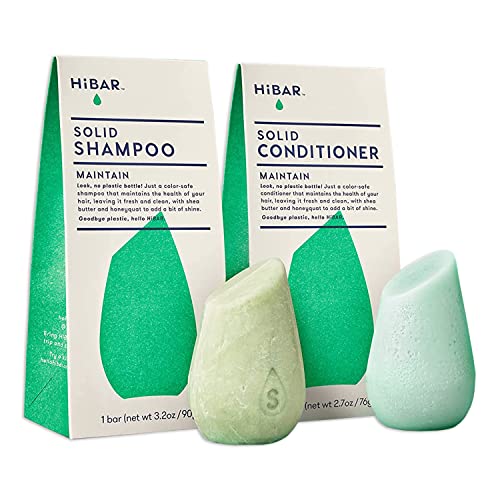
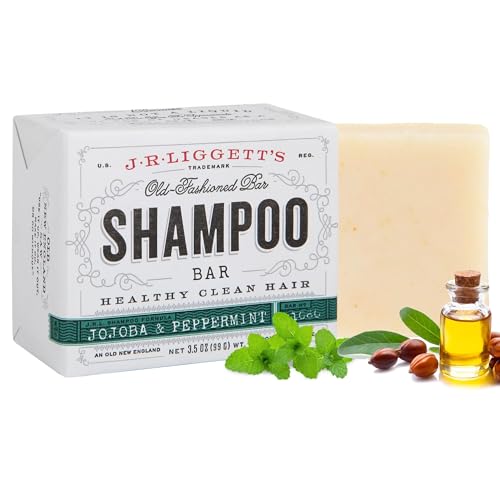
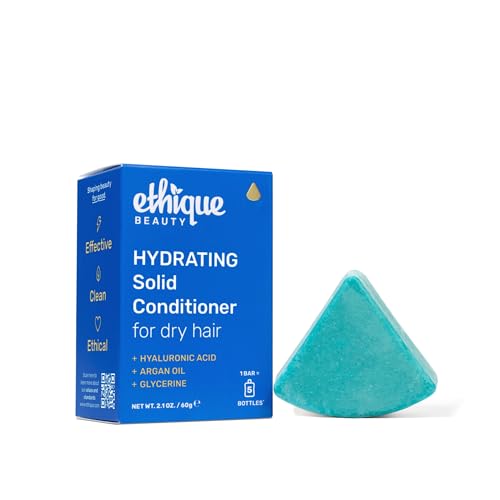
Shampoo bars are solid shampoos shaped like a bar of soap. They typically come without any plastic packaging or with minimal recyclable wrappings. Some bars are marketed as “refillable” because they can be used multiple times, sometimes with a tin or reusable container to store them between uses.
Liquid Shampoo Refills
Liquid refills are shampoo products sold in large-sized pouches, bags, or sometimes concentrated formats designed for customers to pour into reusable bottles or dispensers. These reduce the need for constantly buying new plastic bottles, as you refill your original container multiple times.
How They Work: Differences in Use and Waste Reduction
| Feature | Refillable Shampoo Bars | Liquid Shampoo Refills |
|---|---|---|
| Packaging Waste | Typically minimal or zero-plastic packaging; often compostable or recyclable paper | Pouches or bags use less plastic than bottles, but still generate single-use material |
| Water Content | Very low water content; highly concentrated | Contains water; generally less concentrated than bars |
| Application Method | Rub bar directly on wet hair or hands, lather up | Pour refill into bottle; same usage as traditional liquid shampoo |
| Refill Container | Small tin or travel case for the bar | Original plastic or glass shampoo bottle |
| Shelf Life | Long shelf life, no preservatives needed | Shorter shelf life; preservatives required |
| Ingredients Transparency | Often simpler ingredient lists with fewer synthetic chemicals | Sometimes more ingredient complexity due to water and preservation needs |
| Cost Efficiency Over Time | Often more cost-efficient due to concentration | Can be economical if refills well priced |
When to Use Refillable Shampoo Bars
Phone cases · 15% off first order
Phone Case GiftFun finds for every vibe. Code FIRST15GIFTShampoo bars suit people who want to minimize plastic waste radically and don’t mind a slightly different shampooing routine. They are ideal for:
- Travel: Solid bars are TSA compliant and mess-free.
- Minimalists: Those preferring simple ingredient lists and less packaging.
- Small households or solo users: Bars last for many washes, so for one or two people they’re convenient.
- Those willing to experiment with rinse methods and holding a bar.
However, if you share shampoo among multiple family members, the direct-from-bar method can potentially be less hygienic or convenient.
When to Use Liquid Shampoo Refills
Liquid refills function very much like your regular bottled shampoo routine but with less waste overall. They work best for:
- Families or households with multiple users needing quick, identical refills.
- People accustomed to liquid shampoo texture and usage.
- Those who want ingredient transparency but prefer classic liquid shampoo formulas.
- Users who prioritize convenience over minimizing plastic entirely.
A downside is that refill pouch materials are often multilayer plastics that are challenging to recycle locally, which limits their true environmental benefits depending on your area.
Comparing Cost: Shampoo Bars vs Liquid Refills by Concentration and Bottle Savings
Phone cases · 15% off first order
Phone Cases For AllCases that match your energy. Code FIRST15ALLShampoo bars have very low water content, making them highly concentrated. For example, a 50g shampoo bar can equate to about 2-3 bottles (300-400mL total) of liquid shampoo depending on frequency of use. This concentration ratio means per-use cost advantages favor bars even when bar prices seem higher upfront.
Liquid refills reduce bottle purchasing costs by allowing repeated bottle reuse but still come with water volume and packaging waste, which adds cost when shipping and waste disposal are factored in.
Ingredient Transparency and Safety
Many solid bars use simpler formulas to maintain stability without preservatives; this often means safer ingredient profiles with fewer additives. In contrast, liquid refills contain water, which necessitates preservatives and stabilizers, sometimes resulting in more complex ingredient lists.
For consumers sensitive to certain chemicals or preferring minimalistic formulations, bars often provide an advantage, though always check ingredient labels as brands vary widely.
Common Pitfalls and Misleading ‘Refillable’ Claims
- Refillable packaging may still use non-recyclable materials: Some refill pouches aren’t accepted by most recycling facilities.
- Bars sometimes come in single-use plastic wrappers: Not all bars are zero-waste just because they’re solid.
- Not all bars fit all hair types: Some specialty hair needs (color-treated, dandruff) are less commonly addressed by bars.
- Concentration can make lathering different: Some users find bars take longer to lather or need adjustment in technique.
- Refill bottles can still degrade: Using old plastic bottles repeatedly can lead to microplastic shedding or contamination.
Be wary of marketing claims and evaluate the full life-cycle impact of the product plus packaging.
Summary: Which Is Better?
| Criteria | Shampoo Bars | Liquid Refills |
|---|---|---|
| Plastic Waste Reduction | High (often zero-plastic packaging) | Moderate (uses refill pouches, but still plastic) |
| Cost Efficiency | High due to concentration | Moderate |
| Ingredients Transparency | Often simpler, fewer preservatives | More complex due to water content |
| Convenience | Less convenient (travel/trial needed) | High (same as traditional shampoo) |
| Versatility (Hair Types) | Limited range | Wide range |
| Shelf Life | Long-lasting | Shorter (needs preservatives) |
Both options drastically reduce plastic bottle waste compared to single-use bottles. If your priority is minimizing plastic and ingredient simplicity, shampoo bars are typically the winner. For families or those who want the simplicity of liquid shampoo without repurchasing new bottles each time, liquid refills are a practical compromise.
Top Picks


Watchdog picks
- Soldering Iron Kit, 60W Adjustable Temperature, Digital Multimeter, 5pcs SolderiCheck on Amazon → ·
- B08PDT1Y3HCheck on Amazon → ·
- Field Company Mini Cast Iron Skillet – Extra-Small 6.75 Inch, One-Egg Pan, Pre-SCheck on Amazon → ·
- HQ Replacement Soldering Iron For Hakko FX-8801 FX-888D StationCheck on Amazon → ·
- Stargazer 10.5-Inch Cast Iron Skillet - Made in USA, Seasoned, Premium Frying PaCheck on Amazon → ·
- Cuisinel Cast Iron Skillet with Lid - 12”-inch Pre-Seasoned Covered Frying Pan Check on Amazon → ·
- Astra Platinum Double Edge Safety Razor Blades,100 Blades (20 x 5)Check on Amazon → ·
- Backcountry Iron 12 Inch Round Large Pre-Seasoned Cast Iron SkilletCheck on Amazon → ·
Products in this guide
- Dawn Ultra Dish Soap, Original Scent, 75 fl oz (2-Pack)Check on Amazon →
- Stargazer 10.5-Inch Cast Iron Skillet | Made in USA, Seasoned, Premium Frying Pan for Grilling, Searing, Baking & More – Durable Cast Iron with Smooth Cooking SurfaceCheck on Amazon →
- B00063RWT8Check on Amazon →
- Lodge Seasoned Cast Iron Skillet 6.5 Inches - PFAS-Free, Non-Toxic Cookware - Use with an Oven, Stove, Grill, or Campfire - Naturally Non-Stick & Oven SafeCheck on Amazon →