
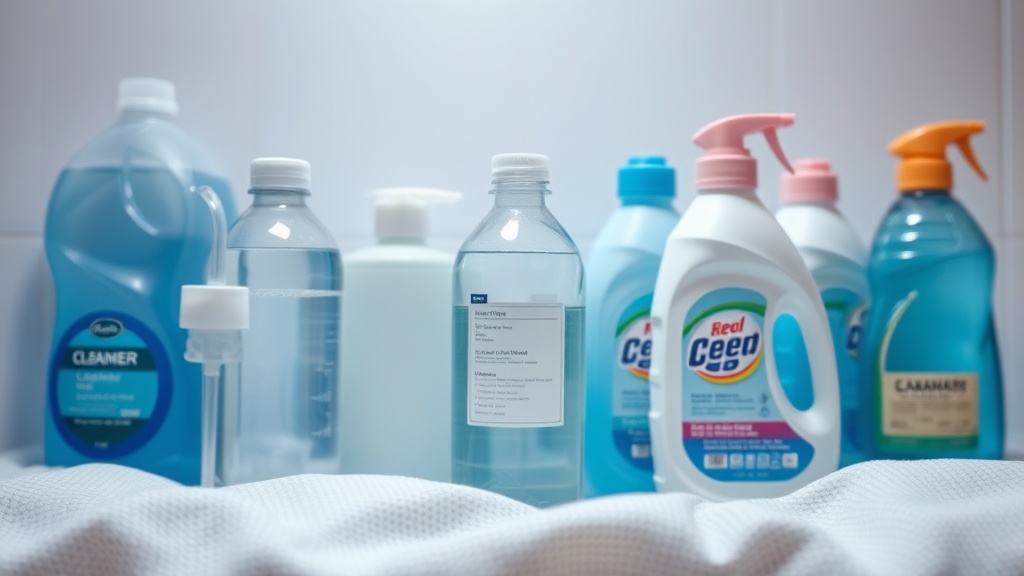
Refillable fabric softener options are gaining traction as households look to reduce plastic bottle waste, but finding good solutions that actually save plastic—and money—can be tricky. Many products still come in plastic bottles or use refills that don’t significantly cut down on single-use packaging. This guide will clarify the real differences between refillable fabric softeners, how concentration ratios impact cost and waste, ingredient transparency considerations, and which refillable claims truly contribute to waste reduction.
What Is Refillable Fabric Softener?
Refillable fabric softener refers to products designed to minimize single-use plastic waste by using reusable containers and concentrated refills. Instead of purchasing a new full plastic bottle each time, you keep a sturdy, durable container and replenish the fabric softener either through compatible refill pouches, cartridges, or bulk concentrate solutions.
See also: Best Refillable Dish Soap Brands for Zero-Waste Kitchens
How Do Refillable Fabric Softeners Work?
Phone cases · 15% off first order
Galaxy Case Co.Built for Galaxy. Ready for impact. Code FIRST15GAL- Reusable Container: The core concept is that you own or reuse a durable bottle that is designed to last for months or years.
- Concentrated Refills: Refills generally come in concentrated form, meaning less water and less packaging volume.
- Refill Delivery Systems: Refills may be offered in pouches made with less plastic than typical bottles, compostable bags, cardboard-based packaging with a protective liner, or bulk containers (jugs, drums) sold separately and used for multiple refills.
- Compatibility: Some systems require brand-specific cartridges or refills to fit the reusable container perfectly. Others allow generic concentrate dilution in any bottle.
When to Use Refillable Fabric Softeners
- You want to cut down on household plastic waste from small plastic bottles.
- You prefer to buy in bulk or in refill packs that generate less packaging.
- You’re comfortable measuring and diluting concentrate to save money and minimize product volume.
- You seek products with clear ingredient transparency to ensure safety and environmental responsibility.
- You want to avoid excessive shipping and storage for routine household products.
Key Considerations for Choosing Refillable Fabric Softeners
Phone cases · 15% off first order
Phone Case GiftFun finds for every vibe. Code FIRST15GIFT1. Concentration and Dilution Ratios
Fabric softeners sold as concentrates require dilution before use. Higher concentration means less water in the product, so the refill packaging is smaller and lighter, which reduces plastic use and shipping emissions.
However, very concentrated products require more precise measurement. Under-dilution wastes product and money, over-dilution reduces performance.
Look for refill products with clear instructions and measurable dosing tools. Concentration ratios vary widely, typically between 1:8 to 1:20 concentrate-to-water. Lower ratios (more concentrate) usually mean more plastic reduction per use and better value.
2. Packaging Material and Waste Reduction
Just being labeled “refillable” doesn’t guarantee significant plastic waste reductions. Compare packaging types like these:
| Packaging Type | Plastic Waste per Refill | Durability | Ease of Use | Typical Cost per Refill | Notes |
|---|---|---|---|---|---|
| Standard plastic bottle | High (new bottle each time) | Single use | Highest | Moderate | Most waste |
| Flexible plastic pouch | Low (thin plastic) | Single use | Moderate | Lower | Smaller footprint |
| Compostable paper pouch with liner | Very low (mostly paper) | Single use | Moderate | Moderate | Requires proper composting |
| Bulk concentrate container (jug/drum) | Moderate (reused for many refills) | Multi-use | Low | Lowest | Best for refill stations or dedicated households |
| Cartridges owned by user | Low (reused multiple times) | Multi-use | Highest | Moderate to high | Compatible systems needed |
3. Ingredient Transparency and Formulation
Refillable fabric softener buyers often want transparency on ingredients for safety and environmental impact. Some concentrated formulas have fewer preservatives and fragrances, which can reduce allergens and irritants.
Check for:
- Clear ingredient lists (avoid vague terms like “fragrance” alone).
- Biodegradability certifications.
- Free of dyes, parabens, or other irritants, especially if you have sensitive skin.
Many refill concentrates are plant-based and formulated to be gentle but effective. Ingredient transparency is usually best on brands or refill suppliers that specialize in eco-conscious products rather than mass-market conventional brands.
4. Refilling Practicality and Scenarios
- Home refill: If your refill comes in a sturdy pouch or cartridge, refilling at home is straightforward. Watch for spill-proof designs—some thin pouches can leak or be hard to pour.
- Bulk refill stations: Zero-waste stores often offer bulk concentrate or refill setups where you can bring your own reusable container. This is a great way to avoid any single-use packaging.
- Subscription or delivery: Some refill systems ship concentrates in eco-friendly packaging periodically. This combines convenience with waste reduction but may cost more.
- Compatible vs proprietary carts: Proprietary cartridges are easy but lock you into a brand and can cost more. Generic concentrates offer flexibility but require manual dilution.
Top Refillable Fabric Softener Options (Conceptual Overview)
| Option | Packaging Type | Concentration Ratio | Plastic Waste Reduction | Ease of Use | Cost Efficiency | Ingredient Transparency | Best Scenario |
|---|---|---|---|---|---|---|---|
| Concentrate pouches | Flexible pouch | ~1:12 | ~70-80% | Moderate | Good | Generally high | Household refillers |
| Bulk concentrate jugs | Rigid jug | ~1:15 | ~90% | Low | Excellent | Often high | Zero waste shoppers, bulk use |
| Reusable cartridge system | Cartridge + bottle | 1:10–1:20 | ~50-70% | Highest | Moderate to high | High with verified brands | Busy households, easy refilling |
| Compostable paper refills | Paper pouch + liner | ~1:8 | ~90%+ | Moderate | Moderate | Usually very transparent | Eco-conscious, compost users |
Why Some ‘Refillable’ Claims Don’t Actually Save Plastic
Phone cases · 15% off first order
Phone Cases For AllCases that match your energy. Code FIRST15ALL- Single-use plastic pouches: Some refill pouches are thin plastic but not recyclable or compostable. This reduces bottle waste but adds a different, less visible plastic waste stream.
- Refill caps still plastic: Many so-called refillable bottles use plastic caps or components that are replaced frequently or disposed of.
- Brand-lock cartridges: Proprietary cartridges may be mostly plastic with no recycling options.
- Low concentration formulas: Thick softeners sold in refill packs may require large volumes and lots of packaging relative to a concentrate.
Look for documented plastic weight savings or packaging audits from brands or third-party testing before committing.
How to Calculate Plastic and Cost Savings of Refillables
Step 1: Measure Plastic Weight for Bottles vs Refill
- Find the plastic weight of the original bottle (e.g., 40g).
- Find the plastic weight of the refill (e.g., pouch, 5g).
- Calculate waste reduction: (Bottle weight - Refill weight) ÷ Bottle weight.
Step 2: Calculate Cost per Use
- Determine concentration and recommended dilution for each product.
- Calculate amount of concentrate needed per load.
- Divide price by number of uses per refill.
Step 3: Factor Convenience and Waste Disposal
- Hard-to-use refills may discourage consistent use.
- Disposal options (recycling, composting) matter for real impact.
Practical Tips for Using Refillable Fabric Softeners
- Always measure concentrate carefully per instructions.
- Choose compatible refill systems to avoid leaks and spills.
- Look for sturdy reusable bottles to maximize lifespan.
- Use refill pouches that clearly state packaging materials and recycling options.
- Explore local bulk refill stations to minimize all packaging.
- Evaluate ingredient labels and certifications for health and environmental assurance.
Top Picks

Watchdog picks
- InkOwl Compatible Ink Cartridge Replacement for Roland ECO-SOL MAX 2 Printers ESCheck on Amazon → ·
- B01N4IWH2OCheck on Amazon → ·
- B001ET73J2Check on Amazon → ·
- B01N4NLZJNCheck on Amazon → ·
- B09WDBHXB3Check on Amazon → ·
- Soldering Kit, 60W Soldering Iron, 110V Welding Kit with Ceramic Heater, PortablCheck on Amazon → ·
- B001ET76H8Check on Amazon → ·
- Dr. Tobias Omega 3 Fish Oil 2000mg Triple Strength with 800mg EPA 600mg DHA Per Check on Amazon → ·
Products in this guide
- Dawn Ultra Dish Soap, Original Scent, 75 fl oz (2-Pack)Check on Amazon →
- Folgers Classic Roast Ground Coffee, 48 OzCheck on Amazon →
- Downy Fabric Softener Dryer Sheets, April Fresh, 120 CountCheck on Amazon →
- ecodot 552 Pigment Ink Refill Ink Bottle Replacement for Epson 552 Ink Used for EcoTank Photo ET-8500, ET-8550 Printer (1 Photo Black, 1 Black, 1 Cyan, 1 Magenta, 1 Yellow, 1 Grey, 6-Pack)Check on Amazon →