Best Refillable Dishwashing Liquid Options for Eco-Friendly Kitchens
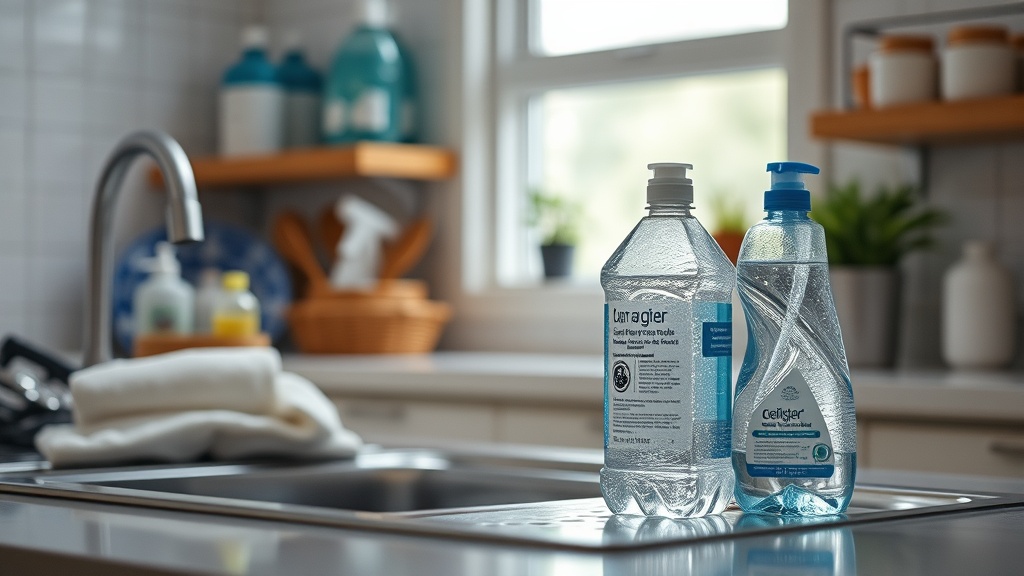
If you’re trying to cut down on single-use plastic in your kitchen, switching to refillable dishwashing liquid is one of the most effective moves you can make. But not all “refillable” options deliver the same environmental benefits or cost savings. Between concentrated formulas, refill pouches, compatible cartridges, and refill stations, it’s easy to get overwhelmed or misled. This guide breaks down the best refillable dishwashing liquid formats, highlighting which actually reduce plastic waste, how to calculate real savings, and what to look for on ingredients and packaging transparency.
See also: Personal Care Refills: Which Brands Offer the Best Value?
What Makes a Dishwashing Liquid Truly Eco-Friendly and Refillable?
Phone cases · 15% off first order
Galaxy Case Co.Built for Galaxy. Ready for impact. Code FIRST15GALBefore jumping into brands or types, let’s clarify some key terms and factors:
- Concentration Ratio: Concentrated detergent means less water, less packaging, and less shipping weight. Higher concentration formulas are almost always better for waste reduction.
- Refill Format: Common refill options include pouches, bulk bottles, reusable pump bottles with compatible cartridges, and refill-at-store stations. Each varies in plastic waste saved.
- Ingredient Transparency: Eco-friendly doesn’t just mean reusable packaging. The ingredients should be biodegradable, free from harmful chemicals (like phosphates or triclosan), and ideally derived from renewable sources.
- Refill Claims: Some “refillable” claims are marketing only. For example, a plastic pouch may be smaller than a bottle but still single-use and not recyclable. True refillability means you regularly reuse the same container, ensuring plastic waste is avoided over multiple purchases.
Top Refillable Dishwashing Liquid Options Ranked
This list is based on a balance of waste reduction, cost savings, ingredient transparency, and convenience for typical households.
| Rank | Type | Waste Reduction | Cost Efficiency | Ingredient Quality | Convenience | Notes |
|---|---|---|---|---|---|---|
| 1 | Concentrated Refill Pouch + Reusable Pump Bottle | High (80-90% less plastic) | Moderate to High | Often Plant-Based, Biodegradable | Easy at home, no special dispenser needed | Buy large pouches to refill sturdy bottle repeatedly |
| 2 | Bulk Refill Stations (Store-Based) | Very High (plastic bottle reuse) | High | Varies Widely | Requires store trip, reusable bottle essential | Best for urban dwellers with access to refill centers |
| 3 | Compatible Cartridges for Brand Bottles | Moderate (less plastic than full bottles) | Moderate | Brand-dependent | Easy snap-in replacement | Check ingredient labeling, some cartridges still contain preservatives |
| 4 | Pre-filled Biodegradable Refill Bags | Moderate (less plastic, some compostable) | Moderate | Often natural, biodegradable | Simple to use, but single-use | Bags may require industrial composting facilities |
| 5 | Standard Bottles with Refillable Caps | Low (some plastic saved) | Low to Moderate | Brand-dependent | Most common but less impactful for plastic reduction | Bottle usually thrown out after liquid runs out |
How to Choose the Best Refillable Dishwashing Liquid For Your Kitchen
Phone cases · 15% off first order
Phone Case GiftFun finds for every vibe. Code FIRST15GIFTStep 1: Assess Your Household’s Dishwashing Volume
Households dishwashing daily will save more waste with highly concentrated formulas and durable reusable bottles. If you only wash dishes occasionally, a mid-level concentrate plus refill pouch might be simpler.
Step 2: Identify Local Refilling Options and Waste Management
Check for refill stations at local stores, zero waste shops, or farmers markets. If unavailable, concentrate and pouches offer the next best alternative.
Step 3: Calculate Real Cost
Compare how much detergent you get per purchase, factoring in the concentration. Sometimes, refill pouches labeled “concentrated” aren’t much cheaper ounce-for-ounce than regular bottles.
Example Calculation:
- Regular bottle: 16 oz at $4 → $0.25 per oz
- Concentrate pouch: 12 oz concentrate (makes 48 oz) at $8 → $0.166 per oz (48 oz diluted)
Here, the concentrate saves roughly 33% cost per ounce of use.
Step 4: Review Ingredient Lists
Look for biodegradable surfactants, absence of harsh chemicals, and transparent sourcing claims. Avoid phosphates or synthetic dyes.
Step 5: Confirm True Refillability
If product claims “refillable,” read the fine print: Are pouches recyclable or compostable? Can bottles be reused many times? If the brand sells refill cartridges, check compatibility with durable bottles you already have.
Comparing Plastic Waste Saved by Refill Methods
| Refill Method | Estimated Plastic Waste Saved per Year (Household Use) | Key Environmental Benefit |
|---|---|---|
| Bulk Store Refill | 90-95% less plastic | Bottle reused indefinitely |
| Concentrated Pouch Refill | 70-85% less plastic | Smaller pouches use less plastic, high concentration reduces volume |
| Compatible Cartridges | 50-70% less plastic | Reduces bottle replacement frequency |
| Pre-filled Biodegradable Bags | 40-60% less plastic but dependent on composting | Compostable packaging breaks down after use |
| Standard Bottles | 0% | Single-use plastic bottles |
Common Pitfalls with Refillable Dishwashing Liquids
Phone cases · 15% off first order
Phone Cases For AllCases that match your energy. Code FIRST15ALL- Mistaking Smaller Single-Use Packaging for True Refills: Many small pouches are still single-use and may not be recyclable locally.
- Buying Concentrated Formulas But Overusing: Savings depend on proper dilution; otherwise, you waste product and increase cost.
- Ignoring Ingredient Transparency: Some refill-friendly options still use chemicals that can harm aquatic life or cause skin irritation.
- Poor Seal or Bottle Design: If your reusable bottle leaks or is not durable, you may end up replacing it often, negating plastic savings.
- Limited Refill Station Access: In many areas, refill stations are scarce, so options are mostly limited to pouches or cartridges.
Practical Tips for Switching to Refillable Dishwashing Liquid
- Start by keeping your current bottle and buying concentrated pouches. Practice measuring and diluting carefully.
- Label your reusable bottle with dilution instructions to avoid overuse.
- If your area has refill shops, bring sturdy glass or heavy-duty plastic bottles each trip.
- Consider a simple pump bottle or dispenser designed to last years—quality matters.
- Wash out containers thoroughly before refilling to avoid contamination.
- Keep track of cost and waste saved to stay motivated!
Top Picks


Watchdog picks
- Soldering Kit, 60W Soldering Iron, 110V Welding Kit with Ceramic Heater, PortablCheck on Amazon → ·
- Soldering Iron Kit, 60W Adjustable Temperature, Digital Multimeter, 5pcs SolderiCheck on Amazon → ·
- B001EQ4G0OCheck on Amazon → ·
- B00B5JOC5CCheck on Amazon → ·
- B01N4IWH2OCheck on Amazon → ·
- Lodge 12” Cast Iron Skillet - Chef Collection - Perfect Sear - Ergonomic HandleCheck on Amazon → ·
- B00SAYAKPKCheck on Amazon → ·
- YIHUA 939D+ Digital Soldering Station, 75W Equivalent with Precision Heat ControCheck on Amazon → ·
Products in this guide
- Folgers Classic Roast Ground Coffee, 48 OzCheck on Amazon →
- InkOwl Compatible Ink Cartridge Replacement for Roland ECO-SOL MAX Printers ESL3 (440mL, 6-Pack) for VS-300, VS-420, VS-540, VS-640, XC-540Check on Amazon →
- Tide PODS Laundry Detergent Soap Pods, Original Scent, 112 CountCheck on Amazon →
- InkOwl Compatible Ink Cartridge Replacement for Roland ECO-SOL MAX 2 Printers ESL4 (440mL, 7-Pack) for VS-300i, VS-540i, VS-640i, XR-640Check on Amazon →