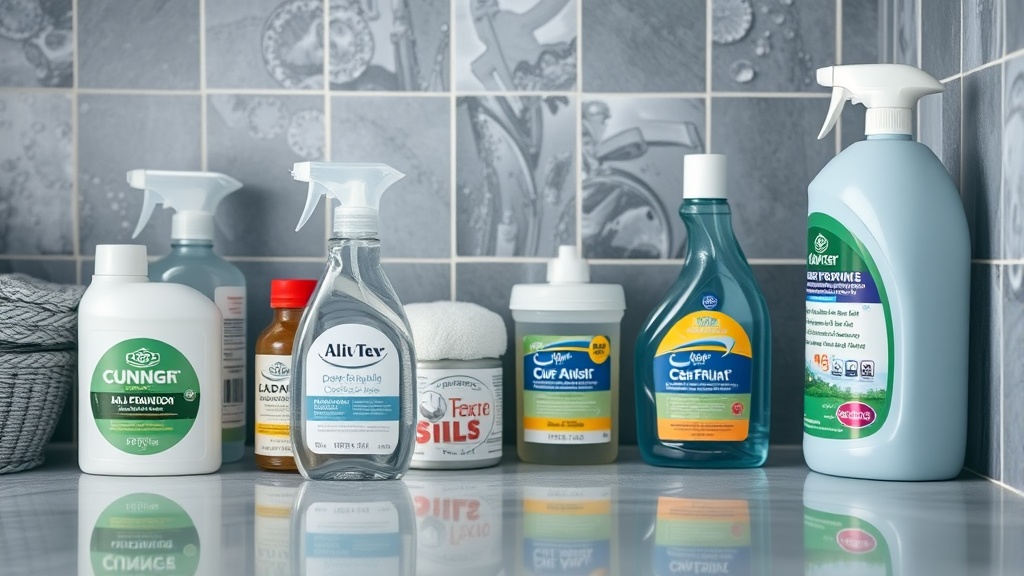
Hard water — rich in minerals like calcium and magnesium — is a persistent problem for keeping surfaces clean without wasting plastic or harsh chemicals. If you’re trying to cut single-use plastic and household-product waste but live in a hard water area, you likely face stubborn soap scum, spotting, and diminished cleaning power while weighing the environmental trade-offs. This article dives into the best refillable cleaning products designed to tackle hard water issues effectively and sustainably, helping you choose concentrate or refill systems that truly save plastic and money without compromising cleaning performance.
Understanding Hard Water Challenges for Refillable Cleaning Products
Hard water reduces the effectiveness of many cleaning products. Minerals bind with soap to create scum that resists rinsing, and spotting on dishes, glass, and fixtures requires stronger surfactants or targeted formulations to remove. Many refillable cleaners focus on environmental benefits without factoring in these hard water challenges, leading to frustration and waste if cleaning fails and you end up dumping half-used bottles.
Key issues for hard water cleaning:
- Reduced surfactant performance: Standard formulas dilute and react with minerals, requiring more product and rinsing.
- Build-up and spotting: Requires chelating agents or boosters to keep spots and scale off surfaces.
- Refill concentrate dilution accuracy: Incorrect mixing weakens cleaning power or increases waste.
- Ingredient transparency and compatibility: Hard water formulations often contain more complex chemistry; some refill systems use opaque cartridges or vague labels hiding performance details.
With these challenges in mind, let’s rank and compare refillable cleaning products designed or formulated to perform well in hard water conditions.
See also: Refillable vs Concentrated Cleaning Products: What’s Better?
Top 5 Refillable Cleaning Products for Hard Water Areas
Phone cases · 15% off first order
Galaxy Case Co.Built for Galaxy. Ready for impact. Code FIRST15GALFor clarity, we focus on multi-surface cleaners, dish soap, and laundry detergent categories, where refillability helps most to reduce single-use plastic waste. Each option combines hard water–compatible formulations with refill systems backed by concentration data and transparent ingredient lists.
| Rank | Product Type | Packaging Type | Key Features | Best For | Estimated Refill Cost (per use) | Notes on Hard Water Performance |
|---|---|---|---|---|---|---|
| 1 | Multi-surface spray | Concentrate + spray bottle | High concentration; chelating agents; clear ingredient list | Kitchen, bathroom, countertops | Low (~$0.15 per use) | Strong against mineral deposits; adjustable dilution reduces waste |
| 2 | Dish soap | Compatible refill cartridge | Phosphate-free chelators; biodegradable surfactants | Handwashing dishes, spotting | Moderate (~$0.20 per use) | Effective at cutting grease and preventing hard water spotting |
| 3 | Laundry detergent | Concentrate pouch | Water softener additives; enzyme boosters | Hard water laundry | Low to moderate (~$0.18–0.22) | Textile-safe, retains cleaning in mineral-rich water |
| 4 | Glass/window cleaner | Brand-name cartridge | Ammonia-free; streak-free formula; clarifying agents | Hard water glass and mirrors | Moderate (~$0.25 per use) | Specifically formulated to avoid streaking and spotting |
| 5 | Bathroom cleaner | Recyclable pouch + spray bottle | Mold-resistant formula; acid-based mineral remover | Tile, glass, fixtures | Moderate (~$0.20 per use) | Targets soap scum with water-softening boosters |
What Makes a Refillable Cleaning Product Work in Hard Water?
Concentration Ratios and Dilution Accuracy
One of the biggest practical advantages of refill systems in hard water contexts is adjustable product concentration. Highly concentrated cleaning solutions mean less plastic packaging per use and reduce transportation emissions. However, precise dilution ratios are crucial since over-dilution results in mineral deposits persisting, while under-dilution wastes product and leaves residues.
- Always follow the manufacturer’s exact dilution guidelines, which often differ for standard and hard water.
- Some refill concentrates provide markers or dosing syringes for easy and repeatable mixing.
- Concentrate products with clear measurement instructions and labeled ingredients help you evaluate efficacy better.
Ingredient Transparency and Hard Water Chemistry
Look for products that clearly disclose ingredients like chelating agents (e.g., citrates, phosphonates) and water softeners that bind minerals, boosting surfactant effectiveness. Avoid proprietary blends with vague ingredient descriptions, as they often hide fillers or harsh chemicals that don’t address hard water issues.
- Chelating agents keep calcium and magnesium ions locked, ensuring effective cleaning without excessive product use.
- Plant-based or biodegradable surfactants with water softening boosts perform better than generic formulations.
- Enzyme technologies accelerate organic soil breakdown, offsetting hard water’s negative effects.
Refillable Packaging That Actually Cuts Waste
Beware refillable claims that do not significantly reduce waste. For example, “refill pouches” that are multilayer laminates not accepted in local recycling programs might create more environmental harm.
Better refill designs for hard water cleaning products include:
- Rigid refill bottles that drop into a branded outer spray shell, significantly reducing plastic use.
- Concentrate pouches made from single-material, recyclable plastics.
- Cartridge systems with compatible third-party refills vetted for ingredient transparency and cost.
When to Use Refillable Cleaning Products for Hard Water
Phone cases · 15% off first order
Phone Case GiftFun finds for every vibe. Code FIRST15GIFT- Regular cleaning in mineral-rich regions: Kitchens, bathrooms, and laundry areas where tap water hardness ranges above 7 grains per gallon.
- Environmental impact reduction goals: Households aiming to drastically cut single-use plastic waste while maintaining cleaning standards.
- Those willing to measure and mix concentrates: Users who accept a small time cost to dilute precisely and avoid quick product disposal.
- Consumable cost savings over time: Concentrates and refill systems generally run cheaper per use than single bottles, offsetting upfront refill packaging costs.
Common Pitfalls and How to Avoid Them
- Incorrect dilution and mixing errors: Leads to poor cleaning or scaled-up waste. Solution: Use marked bottles, dosing devices, or digital measuring apps when available.
- Ignoring water hardness in product choice: Buying generic refillables with no hard water formulation can waste product and cause frustration.
- Assuming all refill packaging is recyclable: Confirm local recycling acceptance and prefer closed-loop refill systems.
- Skipping ingredient ingredient transparency checks: Avoid refill cartridges or pods without ingredient lists that don’t specify water softening additives.
- Overreliance on refill systems without regular product refresh: Concentrates can degrade or lose potency; unlabeled or long-open refills may disappoint over time.
Summary Comparison Table
Phone cases · 15% off first order
Phone Cases For AllCases that match your energy. Code FIRST15ALL| Feature | Concentrate + Spray Bottle | Refillable Cartridge | Recyclable Pouch + Spray Bottle | Third-party Compatible Cartridge |
|---|---|---|---|---|
| Ability to Adjust Concentration | High | Moderate | Moderate | Low to Moderate |
| Transparent Ingredients | Often High | Variable | Moderate | Variable |
| Plastic Waste Reduction | Significant (75-90%) | Moderate (50-70%) | Moderate | Moderate |
| Hard Water Formulation | Often includes chelators | Varies; check ingredient list | Some with mineral removers | Variable |
| Ease of Use | Requires measuring/dilution | Simple cartridge insertion | Requires precise bottle swapping | Cartridge replacement |
| Cost per Use | Lowest | Moderate | Moderate | Moderate |
Top Picks


Watchdog picks
- Soldering Iron Kit, 60W LED Display Digital Solder Pen, 5 Replaceable Tips, 21-iCheck on Amazon → ·
- 60W Adjustable Temperature Soldering Iron Kit - 9-in-1 With 5 Tips, Solder Wire Check on Amazon → ·
- B07D5DN269Check on Amazon → ·
- B0B7MKRR58Check on Amazon → ·
- B07P5Y5QHGCheck on Amazon → ·
- Under Armour Women’s UA Charged Assert 8 Running Shoes 12 BlackCheck on Amazon → ·
- Soldering Iron Kit, 80W 110V Fast Heat up in 10s LCD Digital Adjustable TemperatCheck on Amazon → ·
- LEVOIT Air Purifier for Home Allergies Pet Hair in Bedroom, Covers Up to 1073 ftCheck on Amazon → ·
Products in this guide
- WEP 927-IV Soldering Station Kit High-Power 110W with 3 Preset Channels, Sleep Mode, LED Magnifier, 5 Extra Iron Tips, Tip Cleaner, 2 Helping Hands, Tip Storage Slots, Lead-free Solder Wire, TweezersCheck on Amazon →
- Dawn Ultra Dish Soap, Original Scent, 75 fl oz (2-Pack)Check on Amazon →
- B00063RWT8Check on Amazon →
- Lodge Seasoned Cast Iron Skillet 6.5 Inches - PFAS-Free, Non-Toxic Cookware - Use with an Oven, Stove, Grill, or Campfire - Naturally Non-Stick & Oven SafeCheck on Amazon →