All-Purpose Cleaner Refills: DIY vs. Store-Bought Cost Comparison

By Dana Wolff · Editor, RefillWatch
Published May 28, 2026
RefillWatch is reader-supported. When you buy through links on our site, we may earn an affiliate commission. This helps us keep tracking prices and finding you smarter swaps.
All-Purpose Cleaner Refills: DIY vs. Store-Bought Cost Comparison
Keeping a clean home doesn’t have to break the bank, nor does it require a mountain of single-use plastic bottles. All-purpose cleaner is a staple in most households, but the cost, both financial and environmental, can add up quickly. This article dives into a detailed cost comparison of making your own all purpose cleaner refills versus buying store-bought concentrates, empowering you to make informed decisions that benefit both your wallet and the planet. We’ll break down the ingredients, the recipes, and the real cost per ounce, so you can see exactly where your money is going.
The Cost of Store-Bought All-Purpose Cleaner Refills
Store-bought all-purpose cleaner refills offer convenience, but that convenience often comes at a premium. Let’s examine the typical costs and potential shrinkflation to watch out for.
Price Creep on Concentrates
One of the most common tricks retailers use is subtly raising prices while keeping the packaging the same size. This is especially prevalent with concentrated cleaners. To accurately assess the cost, you need to calculate the price per ounce of diluted cleaner, rather than just looking at the price of the concentrate itself.
For example, let’s say a 32-ounce bottle of all-purpose cleaner concentrate costs $4.99. The instructions say to mix 1 ounce of concentrate with 31 ounces of water to create a full 32-ounce bottle of cleaner. Here’s the breakdown:
- Cost of concentrate per diluted ounce: $4.99 / 32 = $0.156 per ounce (approximately 16 cents)
- Cost of water: Essentially negligible (we’ll assume tap water is free for this comparison).
- Total cost per diluted ounce: $0.16
This means each 32-ounce spray bottle of cleaner you make costs you roughly $4.99.
Hidden Costs: Packaging and Disposal
Don’t forget to factor in the cost of the spray bottle itself. While you might reuse an old bottle, the spray mechanism will eventually wear out and need replacing. A good-quality spray bottle can cost anywhere from $3 to $10. That adds significantly to the initial cost, although spread over multiple refills, it becomes less of a factor.
The environmental cost of plastic bottles is another factor. While refills reduce plastic waste compared to buying a new bottle each time, they still contribute to the overall problem. Consider the carbon footprint of manufacturing and transporting the concentrate, as well as the eventual disposal of the refill bottle.
DIY All-Purpose Cleaner: Recipes and Real Costs
Making your own all-purpose cleaner is surprisingly simple, and often much cheaper than buying refills. Here are a couple of popular recipes and a breakdown of their costs.
Recipe 1: Vinegar and Water
This is the most basic and budget-friendly option.
-
Ingredients:
- 1 part white vinegar
- 1 part water
- (Optional) A few drops of essential oil for fragrance (lemon, lavender, or tea tree are popular choices)
-
Cost Breakdown (per 32-ounce bottle):
- White Vinegar: A gallon of white vinegar typically costs around $3.50. This equates to roughly $0.027 per ounce. For a 16-ounce mixture, the cost is approximately $0.43.
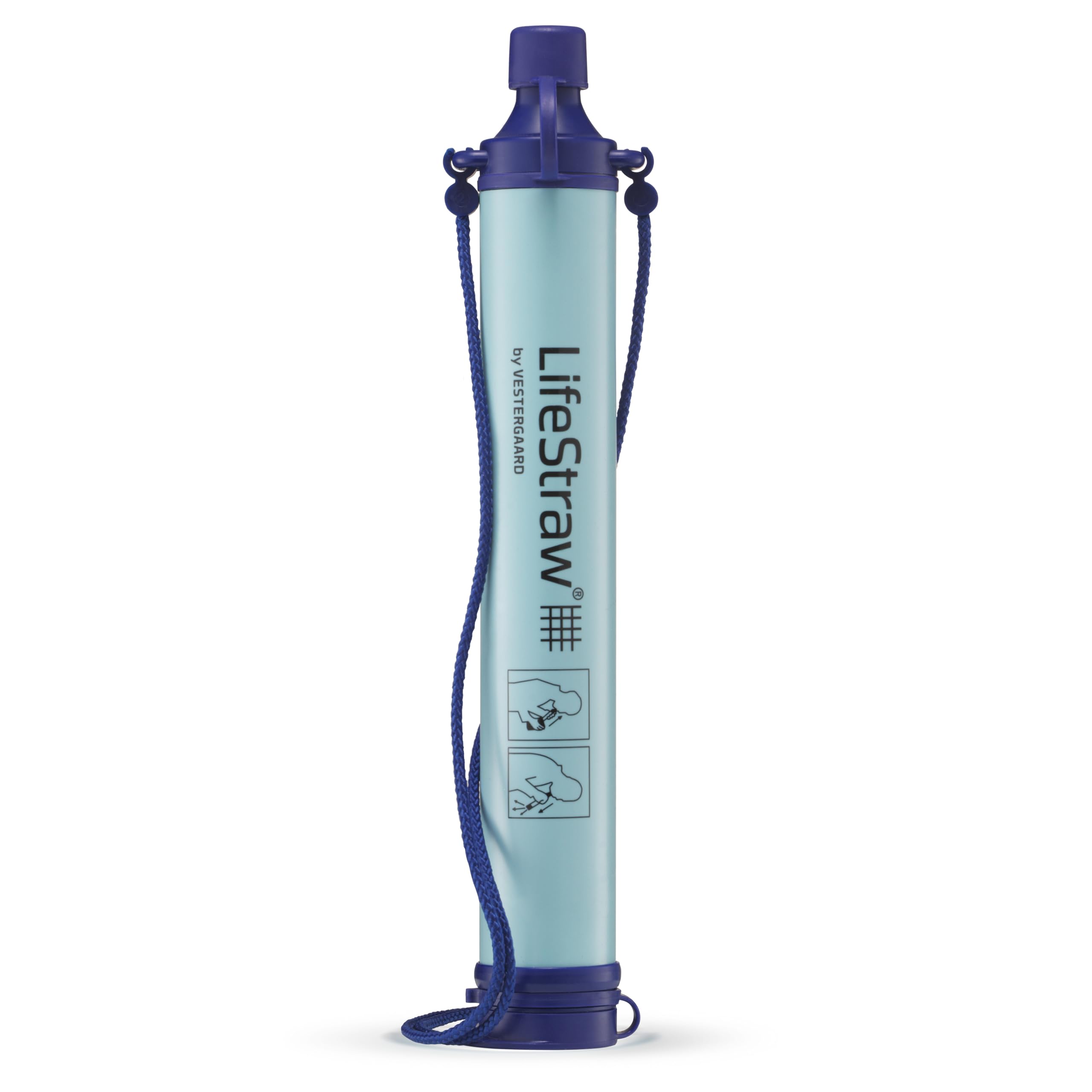
- Water: Again, we’ll assume tap water is free. If you are concerned about water quality, you can use filtered water. Consider a LifeStraw Personal Water PurifierAmazon → if you are sourcing water from the outdoors.
- Essential Oil (optional): A 15ml bottle of essential oil costs around $8-$15. Assuming you use 10 drops (approximately 0.5ml), the cost is negligible, roughly 25 cents (depending on the oil).
-
Total cost per 32-ounce bottle: Approximately $0.68 (including essential oils). That’s $0.02 per ounce.
Recipe 2: Borax, Washing Soda, and Soap Flakes
This recipe is slightly more involved, but it’s great for tougher cleaning jobs.
-
Ingredients:
- 1/4 teaspoon Borax
- 1/4 teaspoon Washing Soda (Sodium Carbonate)
- 1/4 teaspoon Soap Flakes (or grated castile soap)
- 32 ounces of hot water
- (Optional) A few drops of essential oil for fragrance
-
Cost Breakdown (per 32-ounce bottle):
- Borax: A 4-pound box of Borax costs around $8. This equates to roughly $0.125 per ounce. 1/4 teaspoon is about 0.01 ounce, so the cost is negligible, less than a penny.
- Washing Soda: A 3-pound box of Washing Soda costs around $6. This equates to roughly $0.125 per ounce. 1/4 teaspoon is about 0.01 ounce, so the cost is negligible, less than a penny.
- Soap Flakes: A bar of castile soap costs around $4. Grating off a tiny amount (1/4 teaspoon) costs practically nothing.
- Water: Free
- Essential Oil (optional): Same as above, around 25 cents.
-
Total cost per 32-ounce bottle: Approximately $0.25 (plus essential oils if used). That’s less than $0.01 per ounce!
Recipe 3: Baking Soda and Water Paste
For scrubbing and tougher stains, a simple paste of baking soda and water is highly effective.
-
Ingredients:
- Baking Soda
- Water
-
Cost Breakdown:
- Baking Soda: A 1-pound box of baking soda costs around $1. This equates to $0.0625 per ounce.
- Water: Free
Since you only use a small amount of each, the cost is minimal, making it one of the cheapest cleaning solutions available.
Cost Comparison Table: DIY vs. Store-Bought
Here’s a quick summary of the cost per ounce for each option:
| Cleaner Type | Cost per 32-ounce Bottle | Cost per Ounce |
|---|---|---|
| Store-Bought Concentrate Refill | $4.99 | $0.16 |
| DIY Vinegar & Water | $0.68 | $0.02 |
| DIY Borax, Soda, & Soap Flakes | $0.25 | $0.01 |
| DIY Baking Soda & Water Paste | Virtually Nothing | Virtually Nothing |
As you can see, making your own all-purpose cleaner is significantly cheaper than buying store-bought refills. The savings can really add up over time, especially if you clean frequently.
Making the Switch: Tips and Considerations
Switching to DIY cleaner refills is easy, but here are a few things to keep in mind:
- Start Small: Don’t feel like you need to overhaul your entire cleaning routine overnight. Try one recipe at a time and see what works best for you.
- Label Everything: Clearly label your spray bottles to avoid confusion.
- Water Quality: While tap water is generally fine, consider using filtered or distilled water for optimal results, especially if your tap water is hard.
- Storage: Homemade cleaners don’t typically have the same shelf life as commercial products. Make smaller batches and use them within a few months.
- Safety: Always keep cleaning products out of reach of children and pets. While the ingredients in these DIY recipes are generally safe, they can still be harmful if ingested.
- Reusing Bottles: Instead of constantly buying new spray bottles, repurpose and reuse existing ones. Just make sure to thoroughly clean them before refilling. Consider a durable option like the Gatorade 32 oz Squeeze Water Sports BottleAmazon → if you need a long-lasting bottle.
By making the switch to DIY all purpose cleaner refills, you can save money, reduce plastic waste, and have more control over the ingredients in your cleaning products. It’s a win-win for your wallet and the environment.
Featured in this article
Shop the picks mentioned above
We earn a small commission if you buy through these links, at no extra cost to you.